Good morning! Need an antidote for the algorithms? Looking for a place to share the music you love with like-minded people? You’re in the right spot.
For those of you who are new, we kick off every week by sharing what we’ve been playing, and the playlist below is some of what’s been in heavy rotation for me.
As always, thank you to those who have upgraded their subscriptions over the last several days. Your direct support fuels this community and makes a positive impact. Shares and reposts also help!
When you’re ready, joining them is easy. Just click here:
Album-of-the-year season is one of my favorites. I love making lists. I love seeing everyone else’s picks. Most of all, I like going back and rediscovering faves from early in the year I may have forgotten about.
It all makes for a few weeks of gorging on the best the year had to offer… and then I hit a wall. There comes a point where I need to decompress and listen to anything but whatever might be making a deep run on my AOTY bracket. That’s where this week finds me.
I quipped earlier this week that I was binging tracks by Stock Aitken Waterman. I was only half joking. There are none of those here—maybe a themed list at some point? A couple of ‘25 songs are here (the new Afghan Whigs cover track was never not going to make the cut), but by and large this is a swing the other way toward old favorites and sonic comfort food.
Jay Som kicks things off, and then we go right into the poppiest (IMO) track YLT ever put to tape. Spoon’s here too, as are the Go-Betweens and one of the purest pop tracks they ever recorded. DC faves Dot Dash deliver a jolt of energy, and a deep cut from New Order leads us to some early Simple Minds and our pals from Philly, the Tisburys.
As noted, the new Afghan Whigs track is here (it’s a cover, and it rips). There’s a detour through some dream pop from 1989, and an older one from Preoccupations—their latest is a lock for my best-of list on Wednesday—and then some of the delightful chaos that only Kid Creole could deliver. (Shout-out to The Twelve Inch (Disco/80s) for nudging me to dust this one off!)
The back stretch starts with a cover by John Fogerty, The Treasures of Mexico (AOTY class of ‘23), Cheatahs, and Hayley Williams. Hard to pick a fave off her latest record, but this is definitely one of them. We then wind things out with a trifecta of Buzzcocks, Paul Westerberg, and Bauhaus.
What caught your ear this week? Any new releases or shows you’re looking forward to? Do you make any end-of-year lists? If so, have you started putting them together?
Another round of breakthrough releases, long-awaited returns, and under-the-radar surprises—from Patterson Hood to Deep Sea Diver—that shaped the year in music.
Good morning!
Today we’re taking a look at part two of On Repeat Records’ Top Albums of 2025
We’re back with part two of On Repeat’s picks as the best records of 2025 so far. If you missed Part 1,you can check it outhere.
Some of these we’ve talked about before, and I’ve included excerpts from previous reviews and links to the full(er) ones if you’d like to check ’em out. Things’ll wrap up next week when I’ll join Sam Jami and Steve for our Best Records of 2025 Extravaganza. It’ll be the best “Best Of” recap you read this year. Okay, so that’s a little hyperbolic, but in these trying times we’re allowed some license, no? Really, I’m just stoked that I get to join them again for another go. I think you’ll dig it too.
Anyway.
I’ve touched on how music discovery has changed a lot lately, and to state the obvious, the Internet has helped all of us gain access to records we might otherwise never have heard. There are pros and cons to that, but in aggregate, I think our lives are richer for it. Some of these records came via word of mouth, but a lot of them came from places that would’ve felt like something out of a sci-fi novel not all that long ago. Zines? Sure, but I can only imagine 20-year-old me looking askance at someone talking about “Discord Servers” or Bandcamp.
In my head, I’m still that over-caffenated, excitable guy at the table at Quality Pie, Sharis, or wherever, playing hype man for any given record. I’m a card-carrying suburban dad now, but I hope that’s the vibe that comes through on these lists.
There’s a little bit of everything here—that’s just how I’m wired. I’m happy to talk about the ersatz rubric I tell myself I use when evaluating any release, but the common denominator is this: If it made the list, I found it exceptional. Once these found their way to my ears, they rarely left heavy rotation. Some kept me awake serenaded me on my 3:30 AM commute; others helped make Saturday mornings more enjoyable. Almost without exception, I think I’ve made a solid case for why you’ll dig these (you’ll just have to trust me with Deep Sea Diver). I hope so, anyway. I like yapping about records, but the goal is—and remains—finding you a new favorite or two.
Now on to the music…
Patterson Hood-Exploding Trees & Airplane Screams
All good things in time. It’s taken Hood a dozen(ish) years to follow up Heat Lightning Rumbles in the Distance, but it’s worth the wait. Hood, of course, has a second job as co-founder of The Drive-By Truckers keeping him busy.
His fourth solo record finds him in a reflective spot and revisiting his past. For example, the gorgeous, spare opener “Exploding Trees” is about a storm he experienced as a kid. He’s also brought friends along for the ride, including fellow Alabaman Waxahatchee, Wednesday, and Kevin Morby. On Repeat fave Lydia Loveless joins him on “A Werewolf and a Girl.”
This is an intentionally (?) low-key record made by a guy at a point in life where there’s is plenty of “past’ to mine. Records like this are hard to pull off, but Hood hits the right marks here.
The number one way my newsletter finds new readers is when people share it. So, feel free to spam share it with everyone.
Good morning! Need an antidote for the algorithms? Looking for a place to share the music you love with like-minded people? You’re in the right spot.
As always, thank you to those who have recently upgraded their subscriptions over the last several days. Your direct support fuels this community and makes a positive impact. Shares and reposts also help!
When you’re ready, joining them is easy. Just click here:
For those of you who are new, we kick off every week by sharing what we’ve been playing, and the playlist below is some of what’s been in heavy rotation for me.
The season of lists is now upon us. Christmas lists… AOTY lists… book lists… to-do lists… and if you’re in one of the flyover states, snow-closure lists. As the resident playlist dealer, it’s no secret that I love a good list—especially when it’s in the form of a mixtape. Today’s playlist reflects a bit of all of those. Avery Friedman’s New Thing was not a record I was expecting to like, but here we are. “Photo Booth” is a fave on an LP packed with them. “Automatic Love” was another revelation and feels like it’d be as at home on a 1991 best-R&B list as it does today (not derogatory). Immersion has shown up a lot this year, and don’t be surprised if they do again before we’re done with 2025.
The algorithm goblins at Spotify tell me that Stereolab’s “Ping Pong” was my most played this year, and honestly I’m not mad about it. Nothing says “2025” like a song that makes you dance while singing about economic collapse. Don’t worry, be happy. Things will get better naturally. We should be so lucky.
From there, we move to 808 State—which was one of my favorites of 1991—a little Wishy, and a nice return for De La Soul (don’t call it a comeback). Die Spitz, The Dead Milkmen, and Swervedriver make for a nice three-piece. We cool off a bit with Helene Barbier and Water from Your Eyes (another revelation), before a quick blitz of old faves/sonic comfort food. I’ve previously raised some hackles by saying that R.E.M.’s Out of Time ranks as one of their best, but I stand by it. I also put “Me in Honey” at the top of their closers. What do you think?
I didn’t have a new one by Madison friends Gentle Brontosaurus on my radar, but they gifted us one just the same. “Luxury Bones” is another one where serious—and timely—lyrics are supported by a jangly sound. If that’s a new name for you, get them on your gift list now. You won’t be disappointed!
What caught your ear this week? Any new releases or shows you’re looking forward to? Do you make any end-of-year lists? If so, have you started putting them together?
AOTY season kicks off with an all killer/no filler roundup of some of the year’s most noteworthy releases.
Good Morning!
Today we’re kicking off a 3- part series spotlighting the best releases 2025 had to offer.
It’s the most wonderful time of the year. Welcome to AOTY season.
It’s no secret that I believe hearing the right album at the right time can change your life. I could point to plenty of examples — and odds are good you can too — but the point is simple: music sticks when it meets you where you are.
I know I sound like a broken record (heh), but 2025 was once again an incredible time to be a music fan. The big station in your town might’ve been filling the airwaves with empty calories, but on the other end of the dial (and online), it was a completely different story. New artists were showing up daily. Older artists were too. Geese put out a great record, Goose put out a bunch.
It’s worth noting that in 2025, we saw releases from Madonna, Mekons, and 7 Seconds, plus live sets from Hüsker Dü and the Dream Syndicate. That doesn’t even touch the loads of reissues we were gifted this year (Lush, Unrest, etc.). Madge has a new record slated for 2026, and odds are good it’ll be on more than a few lists next December. Bob Mould’s still making records too — great news for music fans and hearing-aid manufacturers alike.
Part of what made this year interesting for me personally was a side project: I spent a good chunk of the year (re)listening to records from 1989 as part of a bracket challenge, and De La Soul’s 3 Feet High and Rising made the final four. Their Cabin in the Sky came out less than four weeks ago — and IMO, it’s some of the best work they’ve ever put out. The only reason it’s showing up here today is that it’s so new (note on that below). The more things change…
Growing up, the “best of” lists were both easy to find and incredibly monolithic — self-appointed tastemakers dictated what we heard on the radio, and that was that. Light work, but homogenized. Consumption was a collective experience. If you want to figure out someone’s age, ask about AT40 or name-drop Rick Dees. The reaction will tell you everything. That’s obviously no longer the case, though looking at some early lists, you’d be excused for thinking otherwise. After working through a bunch, I saw the same titles cropping up again and again.
It’s not that I think those records are bad. I just know there are hundreds of others worth your attention. As I read each of these, I kept thinking, where are the rest?
And that’s where lists like this come in.
Subscribe to continue reading
Become a paid subscriber to get access to the rest of this post and other exclusive content.
Good morning! Need an antidote for the algorithms? Looking for a place to share the music you love with like-minded people? You’re in the right spot.
As always, thank you to those who have recently upgraded their subscriptions over the last several days. Your direct support fuels this community and makes a positive impact. Shares and reposts also help!
When you’re ready, joining them is easy. Just click here:
For those of you who are new, we kick off every week by sharing what we’ve been playing.
The playlist below is some of what’s been in heavy rotation for me. Winter finally hit here in America’s Dairyland, and we’re up to about 9” of snow and counting as I type this, with no sign of letting up. It also happens to be the week that Sirius XM is turned on for everyone. For me, the biggest threat on the road isn’t that first snow or ice; it’s First Wave, SiriusXMU, Smokey’s Soul Town all calling for my attention. I can steer into a skid without thinking about it. Taking my eyes off the dial is something else entirely. Existential threats aside, it’s largely influenced what I’ve been listening to this week. Songs I heard on there led to rabbit holes which led back to…the car radio. And so it goes. I’ve also been (re) listening to a lot of 2025 releases ahead of Steve GoldbergJami SmithSam Colt and I putting our annual AOTY lists together. Hopefully, you caught our preview of that, where we looked at the best of the 2020s (so far). If not, please check it out!
On to the music:
Side A: We kick things off easy with a little Billie Marten before heading to the best state in the union for the slinky grooves and sunny vibes of the Rose City band. From there, a quick stop in Philly for some killer power pop from
The Tisburys and over to the pond for a little Stereolab, some grapes of Grain, and a band called New Order. Not for nothing, Jamie Ward put together an awesome Stereolab playlist, which you can listen to here. Side one ends with two all-time classics from B.A.D. and The Tubes.
Side B: We start the 2nd half right here in Madison with some Spooner, and then going back to New Pornographers’ Electric Version, a little Dramarama, J Brekkie’s Diving Woman (which always reminds me of predawn commutes in the winter), and a dose of Destroyer. That’s followed with a little PJ, some Paul Weller, and Saint Etienne. I love this record, but have to admit I’m a little bummed this is gonna be the last one! More 2025 releases from Hayley Williams and Ninajirachi, and a little bit of BR-549 before winding things up with ORR faves Winged Wheel.
Do you make any end-of-year lists? If so, have you started putting them together?
Four writers. Zero consensus. Forty-plus albums that defined indie, post-punk, and everything in between—ranked, argued over, and ready for your queue.
Good morning!
Today we’re taking a quick look at the best records of 2020-2024.
Narrowing down a favorite anything can be tough. It’s much easier to overdeliver and give someone a list of 5 or even 10 top picks. And even that can be fraught. Are these objectively the best, or are they your favorites? Maybe a blend of both? And are you sharing something truly worthwhile — a nudge in the right direction — or have you just given the other person homework?
There’s also a line of thinking that you shouldn’t do these sorts of lists at all — much better to, say, group by genre or list by release date. And to that I say… fair point. But I should be clear here: I love lists — especially when it comes to music. Every music writer is really just three Rob Gordons in a trench coat, and I think (hope?) people like reading them.
If you’re looking for breakdowns on drop tuning, chord changes, or whatever, I’m not your guy, but that’s not usually why people check top 100 or best-of lists anyway. A few are there for the rage bait & hate reads; the rest are there for the recommendations without having to sift through 4000 releases a year.
In other words, they’re trying to avoid a homework assignment.
The first half of the 2020s gave us no shortage of unforgettable albums, from indie and post-punk to genre-crossing experiments. If you’re searching for the best records of the decade so far, consider this your cheat sheet.
For the past couple of years, Sam ColtSteve GoldbergJami Smith and I have put together our annual favorites. There’s not a lot of overlap in taste—or any other demographic—and that’s what keeps this so fun.
We’ll be doing it again this year, so please keep an eye out! In the interim, we wanted to tee things up by taking a quick look at our faves of the decade so far. A fool’s errand? Maybe, but why not?
Consider it the music writing equivalent of a recap or clip show, only this is the lead-in to 2025’s best-of, and not a “very special” episode of your favorite TV series.
Meet the Contributors
Jami Smith—Author of Songs That Saved Your Life, exploring overlooked queer perspectives in music. Her work has appeared in The Advocate and Out Traveler.
Jami’s List:
St. Vincent – Pay Your way in Pain (2021)
Dua Lipa – FutureNostalgia (2020)
Run the Jewels – RTJ4 (2020)
Dry Cleaning – New Long Leg (2021)
Doechii – Alligator Bites Never Heal (2024)
Yeah Yeah Yeahs – Cool It Down (2022)
Janelle Monae – Age of Pleasure (2023)
Beyonce – Renaissance (2022)
Brittany Howard – What Now (2024)
Cimafunk’s El Alimento (2021)
Sam Colt—Recovering copywriter and author of This Is A Newsletter!—a consistently hilarious, biting chronicle of modern life and its indignities.
Sam’s List:
Alfredo — Freddie Gibbs & The Alchemist (2020)
Promises — Floating Points, Pharaoh Sanders & the London Symphony Orchestra (2021)
Dragon New Warm Mountain I Believe In You — Big Thief (2022)
Blue Rev — Alvvays (2022)
Cave World — Viagra Boys (2022)
SCARING THE HOES — Danny Brown & JPEGMAFIA (2023)
3D Country — Geese (2023)
“NO TITLE AS OF 13 FEBRUARY 2024 28,340 DEAD” — Godspeed You! Black Emperor (2024)
No Name — Jack White (2024)
Imaginal Disk — Magdalena Bay (2024)
Steve Goldberg—Writes Earworms and Songloops, weaving personal essays with the songs that lodge themselves in your brain.
Fantastic Negrito — Have You Lost Your Mind Yet? (2020)
Silk Sonic — An Evening with Silk Sonic (2021)
Arooj Aftab — Vulture Prince (2021)
Sloan — Steady (2022)
Weyes Blood — And in the Darkness, Hearts Aglow (2022)
Corey Hanson — Western Cum (2023)
King Gizzard — Petrodragonic Apocalypse (2023)
Cowboy Sadness — Selected Jambient Works Vol. 1 (2024)
Storefront Church — Ink and Oil (2024)
My List
Maggie Rogers — Don’t Forget Me (2024)
Wussy — Cincinnati, Ohio (2024)
Sweeping Promises — Good Living Is Coming For You (2023)
Chemical Brothers — For That Beautiful Feeling (2023)
New Pornographers — Continue as Guest (2023)
Spoon — Lucifer on the Sofa (2022)
Nada Surf — Moon Mirror (2024)
Destroyer — Have We Met (2020)
Alvvays — Blue Rev (2022)
Working Men’s Club — S/T (2020)
2020:
This year started on an auspicious note; I blew out my knee the first week of January, and also managed to fracture my foot in multiple places, because why not? At the time, I assumed that would be the defining event of 2020. Silly me. We went on vacation at the end of the month, my knee held together only by my stubborn desire to sit on a beach, and returned to a world almost unrecognizable. After that, we made the same descent into “online learning” and sourdough as everyone else.
Working Men’s Club’s self-titled debut was a bright spot in a bleak year, and landed with me because its sound harkened back to those late ’80s/early ’90s post-punk and dance records I was binging in my newfound free time. I found Destroyer retroactively, thanks primarily to readers here who never missed a chance to mention Dan Bejar whenever I talked up The New Pornographers. Have We Met is elegant, quirky, and well-built all at once. As good a trifecta as any when looking for a “best of” record. This is still one I play relatively often.
2021:
You may notice that there are no 2021 records on the above list. Given the lag between producing a record and us getting our hands on it, 2020 ran on the fumes of records actually recorded in 2019. The dearth of 2021 releases more accurately reflects what lockdown life looked like—a year of live streams and doing shows via Zoom to survive, not booking studio time. At least that’s my impression, anyway.
That’s not to say there weren’t some killer records like Japanese Breakfast’s Jubilee. I’m still #teamPsychopomp, but this is excellent, and “Be Sweet” got the nod for my favorite song of 2021, so there’s that. Ditto, Lily Konigsberg’s Lily We Need To Talk Now, and since this is my newsletter, I’d be remiss if I didn’t mention a live record by a certain Manchester band.But if you only have enough time/money/whatever for ONE record, and asked me which 2021 release to pick up, it’d be Dry Cleaning’s New Long Leg. The English post-punk band knocked it out of the park with their debut album. The musings/vocals mix well with the layered, dense soundscapes she’s talking over (but not overtaking). Dry Cleaning reminds me a bit of King Missile, except frontwoman Florence Shaw is talking about things like lanyards and helicopters, and not detachable… organs…
2022:
Look, anytime Spoon puts out a record, it is a cause for celebration, and Lucifer on the Sofa delivers. They’ve teased a new record for next year, and there’s a greater-than-zero chance I’ll be yapping about it in next year’s year-end piece.
The year also gave us debuts from The Linda Lindas and Wet Leg. The former channeled every pop-punk record in your cabinet, and with tracks like “Ur Mum,” the latter came across like the Gen Z equivalent of Lily Allen.
The Paranoid Style also gifted us For Executive Meeting, an LP where I gave up trying to find new superlatives and just went with: “This record is just one heckuva good time. Have fun.”
Afghan Whigs dropped one on 9/9 that was a solid 10, and 5-3-8 by Dendrons proved post-punk was alive and well. Picture Wire’s Colin Newman, Joy Division (in a good mood), and High Vis all stuck together making an album during the pandemic — and they’re listening to Pavement for inspiration. The result is first-rate post-punk from America’s Second City.
Yeah Yeah Yeahs’ Cool It Down just missed the cut here. Had there not been a deadline to get this out, it’s possible I’d still be fussing with the lineup, and this would likely’ve been on it. As I noted at the time, it managed to thread the needle, making a record that sounds both “like a Yeah Yeah Yeahs record” and brand new all at once. The performance-art element isn’t as front & center as before, but the edge is as sharp as ever. No easy feat.
The record that pipped it? Alvvays — Blue Rev, where the chords are all in the right spots, and where the bridge on a track like “Belinda Says” is exactly as it needs to be. You can hear vestigial traces of the usual suspects here (Lush, MBV, etc.), but nothing is derivative. Blue Rev takes the best parts of power pop, dream pop, shoegaze, and whatever’s going on in lead singer Molly Rankin’s mind and just makes it work.
2023:
If 2021 was a reawakening, and 2022 was an (almost) return to normal, 2023 felt like when we hit our collective stride again. The last of the “pandemic project” modifiers peeled away, and the good music faucet was opened all the way up.
Drop Nineteens came out of nowhere to give us an incredible record, Seablite gave the shoegaze crowd a lil’ something, and the sad dads got a gift from Jason Isbell, the rare songwriter who can tell a whole story in one verse. The Chemical Brothers got in on the action with For That Beautiful Feeling. Tom Rowlands and Ed Simons still know a thing or two about putting together a record rather than piling a bunch of singles together and calling it good
Good Living Is Coming For You from Lawrence, Kansas-based Sweeping Promises was a revelation. The title sounds like the sort of slogan you’d see on Soviet agitprop posters or hear Peggy Olson come up with in a strategy session for Tupperware. Both are true. Speaking with the duo, frontwoman Lira Mondal described their sound as “Voracious, wild-eyed, grabbing-with-both-hands YOLO energy.” I also saw their sound described as “The B-52s if they never saw the sun.” Both of those are true, too.
Continue As Guest will take a listen or two before it clicks. But the band will win you over, as they invariably do. I often find myself writing, “Just go buy this record!” as a placeholder until I can better articulate my thoughts. Sometimes, I wish I could leave it at that. This is one of those cases.
2024:
Is there some recency bias here? Sure, maybe. But it’s undeniable that last year was chock-full of good records from end to end. Cloud Nothings tried to blow our speakers with Final Summer, and Cola dropped the best Parquet Courts record not made by Parquet Courts. What’s old was new again as J Mascis, Jesus and Mary Chain, and Pearl Jam all dropped new records. Kim Deal, too.
Last year saw Nada Surf gift us Moon Mirror, a rock-solid power pop from one of the most consistent, if not popular (heh), bands of our generation.
Cindy Lee’s Diamond Jubilee garnered almost as much ink for how it was distributed as for how good it was. Any record that gets someone to sit down and listen for two hours without doing anything else is worth considering for any best-of list. Cindy Lee is the stage name of Patrick Flegel. No spoilers, but don’t be surprised if another Flegel shows up on this year’s list.
My fave of last year was Wussy’s Cincinnati, Ohio. I don’t know what it is about this band, but man, they strike a chord in me that few other bands can hit. I’ve mentioned it elsewhere, but I think better than anyone else, they have helped me “get” what living in the Midwest is like. And the music? Well, it’s an LP with gem after gem just waiting to be discovered.
That’s a wrap! Did we nail it? Miss something obvious? Snub your favorite? Let me know—I’m always ready to be proven wrong (or at least add a few more albums to the listening pile).
Good morning! Need an antidote for the algorithms? Looking for a place to share the music you love with like-minded people? You’re in the right spot.
As always, thank you to those who have recently upgraded their subscriptions over the last several days. Your direct support fuels this community and makes a positive impact. Shares and reposts also help!
When you’re ready, joining them is easy. Just click here:
For those of you who are new, we kick off every week by sharing what we’ve been playing.
The playlist below is some of what’s been in heavy rotation for me. I’m thinking about travel, but this week it’s more about being in the air than on the road. For those of us in aviation, this week kicks off the high season. Doubly so if you live in a college town, as the mass exodus of students for winter break starts now. Closer to home, one of my kids will be taking his first solo trip— he’s off to Florida for a rugby tournament. It’s a massive leap of faith on our part, but I’d be lying if I said I wasn’t also kinda excited for him.
On to the music:
Side A kicks off with us taking a trip to Oceania to hear The Beths. It’s about to be high season for AOTY lists, too, and their Straight Line Was a Lie is sure to be on a lot of ‘em. From there, we head to the Rose City for a brand-new one from Foamboy. Bonus points if you recognize where their artist pic on Spotify is from. Double points if you’ve been there. Hazel English is back with some dream pop goodness in “Gimme” (worth noting the video was shot at JFK’s TWA Hotel), and one of my top songs of the year in Tunde Adebimpe’s “Somebody New.” Before Side A is done, we hit everywhere from DC to Curitiba, Brazil! It’s quite an itinerary.
Side B: We start the 2nd half doing a little time travel to hear from Innovations, before coming back to catch Willowake, Smashing Pumpkins, and Preoccupation’s “Andromeda” (another of my faves of 2025). From there, we hop to Lawrence, Kansas, and a couple stops in Canada to check out Home Front and Arcade Fire, before returning to the Carolinas for Superchunk’s killer take on a Magnetic Fields classic, and winding things up with the track that recently got my vote for “best Pink Floyd song.” Run like Hell? During the frenzy that is holiday travel, you don’t have to be in a terminal too long to see someone doing it.
Are you going anywhere this week? If so, I’d love to hear where you‘re off to, even if it’s just across town.
Today we’re taking a quick look at the latest from Playland, Via, and SG Goodman.
Longtime readers may recall that I reviewed 100 new (to me) records last year. Because I’m a glutton for punishment love music, I’m doing it again this year. This is the latest in the series.
Good morning!
Today we’re taking a look at the latest from Playland, SG Goodman, and Via.
The boilerplate intro: Every year, I celebrate all the great music we’ve been gifted while worrying that next year will see the other shoe drop. I first did that in December 2020 and have been proven wrong every month since. Not only are there a ton of releases steadily coming out, but it also transcends genre or any other artificial guardrail we try to put up.
In other words, a ton of good stuff is still coming out, and there’s something for everyone. It’s almost overwhelming— but in all the best ways. These are another batch that caught my attention recently.
Hard to believe that it’s almost AOTY season, but here we are. I’ll be posting through it, discussing what’s on my list, what isn’t, how I try to winnow things down, etc., over the coming weeks.
In the meantime, the records keep coming. There are always a few that get in under the wire, and ones from earlier in the year that might’ve been missed. Below are a few quick field reports from right between the sound machine.
Let’s get into it!
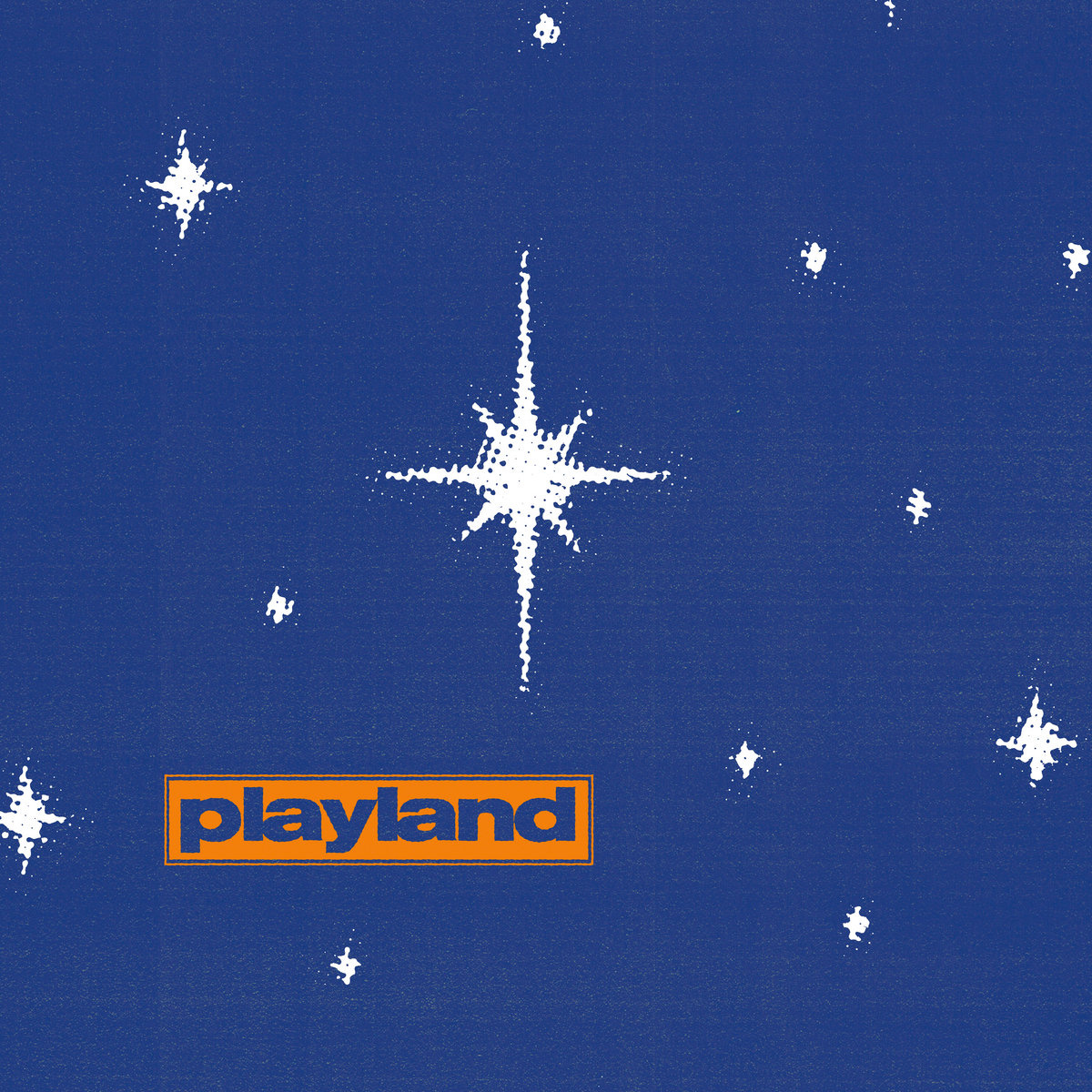
Playland- Playland 2
Cover art courtesy of Smoking Room Records
A late contender to the AOTY discourse has entered the chat.
I don’t think Playland 2 is trying to make a grand statement, but it ends up feeling like one anyway. Songs like “Everyone in the Park Is in Love,” “Power Outage,” and “Interactions” have a jangly brightness — fans of labelmates Ex-Pilots will find a lot to love here — blended with a lo-fi glow that lets the melodies bloom. It’s music that feels familiar, even when you’re hearing it for the first time.
Tracks like “Luv Like That,” “I Don’t Want to Live Here Anymore,” and “Vanity” pick up the pace, and the guitars get a little fuzzier. There’s some serious humanity in these tracks — they sound like someone trying to sort out their thoughts in real time. It’s messy but sincere. It’s not “perfect” in the traditional sense, but that’s exactly why it works. It sounds like, you know, a person. It plays like an album made because someone had something to say and didn’t want to wait. And in an era of performative nonsense, that feels kinda rad.
Good morning! Need an antidote for the algorithms? Looking for a place to share the music you love with like-minded people? You’re in the right spot.
As always, thank you to those who have recently upgraded their subscriptions over the last several days. Your direct support fuels this community and makes a positive impact. Shares and reposts also help!
When you’re ready, joining them is easy. Just click here:
On to the music:
For those of you who are new, we kick off every week by sharing what we’ve been playing.
The playlist below is some of what’s been in heavy rotation for me. Maybe it’s the changing weather, or just wanderlust creeping in, but I’ve been thinking a lot about road trips lately. If you know me in IRL, you know this is an exercise in contrasts; I hate to drive, but love the open road. I contain multitudes, I guess. I dunno. Mostly, I just like seeing new places, especially in the part of the world I now call home.
Side A kicks off with a group that reminds me of a trip I took with my family down the length of I-5 as a kid. YGSF still reminds me of Southern California and AM Gold. They also remind me of an old friend. He’s no longer with us, but what they taught me- that music discovery is possible in the digital age- still very much is. From there, it’s a quick stop back in the Dairyland before a little globetrotting with Kinky and RBCF, then back to I-5 for a bit of the Dead. Side one winds out with a new one from our pals at Big Stir Records, a trip to the Great Lakes and Ex-Pilots, a fave from the Steel City. They’ve been teasing some new stuff, and I can’t wait.
Side B: We start the 2nd half the way we ended the first, with some stuff from the Smoking Room label, and new ones from Preoccupations and Lane. Cate Le Bon shows up again (what a great record!) before coming back to Madison for the latest from our friends in Spiral ISland. Then we turn the car around and head south to visit The Best around, and check out the latest from The Mountain Goats’ concept record. The record ends with my favorite track from one of my favorite bands. The record turns 40 tomorrow. Oof. Everything’s alright when you’re down, and time flies when you‘re having fun.
Today we’re taking a quick look at the latest from Great Lakes, Mavis Staples, and Lush.
Longtime readers may recall that I reviewed 100 new (to me) records last year. Because I’m a glutton for punishment love music, I’m doing it again this year. This is the latest in the series.
Good morning!
Today we’re taking a look at the latest from Great Lakes mavis Staples, and Lush.
The boilerplate intro: Every year, I celebrate all the great music we’ve been gifted while worrying that next year will see the other shoe drop. I first did that in December 2020 and have been proven wrong every month since. Not only are there a ton of releases steadily coming out, but it also transcends genre or any other artificial guardrail we try to put up.
In other words, a ton of good stuff is still coming out, and there’s something for everyone. It’s almost overwhelming— but in all the best ways. These are another batch that caught my attention recently.
Hard to believe that it’s almost AOTY season, but here we are. I’ll be posting through it, discussing what’s on my list, what isn’t, how I try to winnow things down, etc., over the coming weeks.
In the meantime, the records keep coming. There are always a few that get in under the wire, and ones from earlier in the year that might’ve been missed. Below are a few quick field reports from right between the sound machine.
Let’s get into it!
Great Lakes- Don’t Swim Too Close
Cover art courtesy of Elephant 6/HHBTM Records
Fair warning: I’m gonna go full “suburban dad” here. I don’t know what it is about hitting middle age, but this brand of cynical Americana has really started resonating with me in the last 4–5 years. It’s a sound that feels as lived-in and comfy as my worn-out Sambas and favorite pair of cargo shorts (I know! I know!). I’m not quite in sad-dad territory, but I can see it on the horizon. Distilled down, it feels relatable.
Frontman Ben Crum is wrestling with a lot of the same things we all are right now, noting:
Releasing music right now feels a bit like fiddling while Rome burns. While my new Great Lakes album, ‘Don’t Swim Too Close,’ is a personal and inward-focused record, once it was finished I was surprised to realize it also feels like a slow-burn meditation on whatever it is America means.
Same, Ben. SAME.
Of course, it helps that the record is good. After eight records and 25 years, Crum knows his way around a lyric and writes the sort that tell entire stories in a paragraph. These are character-driven tales that make you wince and smirk in equal measure. And even when the words get heavy, the music is there to lighten things up. The title track will get you moving… and it’s about him suffering a concussion.
I wrote it while recovering from a severe concussion that left me depressed and questioning my future. I honestly didn’t know if I was going to come back from it, and it scared me. Luckily, I did get better, and the song ended up being an ironically uplifting country/rock toe-tapper, with heavy lyrics (“I was feeling hopeless, but also helpless and alone / and more than a little dangerous to my soul”) set to a groove reminiscent of Doug Sahm, Jerry Jeff Walker, or CCR.
It’s worth repeating that while it may be topically heavy, this isn’t a bleak record. On the contrary, the irony and dark humor make a good thing better. As a Gen Xer, being a fan of irony isn’t a learned behavior; it’s encoded in our DNA. More so, it makes for a compelling listen, whether he’s singing about klaxon horns (“Another Klaxon Sounds”), or regret and anxiety (“Like an Open Grave”), or sharing so much of your idea for a book that you no longer want to actually write it (“On the Way Back”).
Something tells me, though, that we’ll hear more writing from Crum. At least I hope so. The band seems to be only getting better with age. It probably won’t be anything about cargo shorts, though…
I’m not sure I could tell you when I first heard Mavis Staples, though the smart money says it was likely as a kid, hearing her perform something like “I’ll Take You There” with her dad and siblings in the Staple Singers. Her voice is unmistakable, but there’s always been a current of determination, resolve, and hope. Whether it was the lot of them singing “The Weight” along with The Band in the Last Waltz or her take on Talking Heads’ “Slippery People” (TK LINK), her raspy voice has been soothing and consistent in a world of constant change.
And that hasn’t changed on “Sad and Beautiful World,” Staples’ latest. The record is 10 tracks- 9 covers and 1 original. Of course, Staples takes the 9 and makes them all her own, as only she can. I mean, who else could cover Tom Waits’ “Chicago” and make it sound smoother without sanding off any of the edges? No one, that’s who. It doesn’t hurt that Derek Trucks is here, along with Buddy Guy. Waits’ purists may want to skip it, but I hope you don’t; it’s chugs right along and is worth every note.
The title track was penned by Mark Linkous (RIP), and I’ll bet it’s gonna sound incredible live. Other tracks include her take on Frank Ocean’s “God Speed,” Curtis Mayfield’s “We’ve Got to Have Peace,” and the Hozier and Allison Russell-penned “Human Mind.”
The guest list reads like a who’s who of in-demand talent: Kevin Morby, Nathaniel Rateliff, Patterson Hood, and Bonnie Raitt, among others. As per federal law, MJ Lenderman also makes a guest appearance.
Producer Brad Cook does well to bring—and keep—the focus on Staples’ voice. With a roster like this, it could’ve been easy for her to get crowded out. Instead, we get some of her best work (a high vbar to be sure!), and a gorgeous record that perfectly meets the moment from someone who’s been lighting the way for decades.
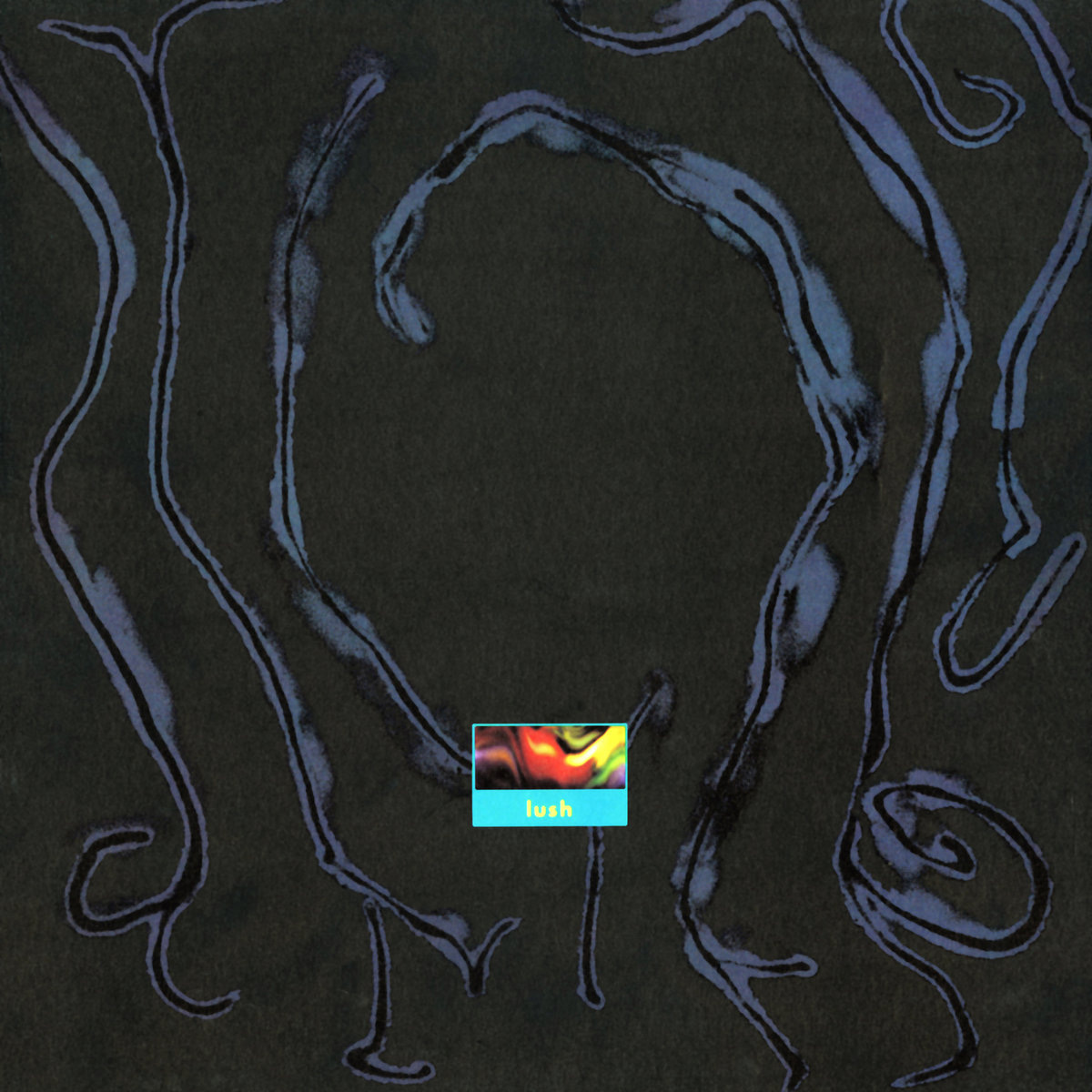
Lush is forever linked with cassette tapes in my mind—or, more specifically, J-cards. In 1990, if I wasn’t listening to this on the original, I was scrawling the titles on one of the many mixtapes I included tracks like “De-Luxe,” “Down,” and “Bitter” on. These were my faves- and the titles were mercifully short. Lush was a band I was eager to share with anyone who would listen. Even the record itself is a mixtape compilation comprising the mini-album Scar, and Mad Love and Sweetness and Light EPs.
A few lifetimes later, a lot has changed. For one thing, I’m streaming an advance copy of the record online for something called a “newsletter” on a website called “Substack.” 15-year-old me would not recognize a thing in that sentence.
50 year old me recognizes a few; in the early 90s, record label 4AD never missed. That still seems to be true. The three tracks I shared so many times in high school are still the ones I’d encourage you to check out today, and I’d add “Second Sight” to the list. The harmonies of Emma Anderson and Miki Berenyi haven’t aged a day and sound better than ever here. This is a shoegaze record, but, with apologies to Kevin Shields, their sound is much sunnier and leans closer to pop than MBV. This is a genre that traffics in the abstract, but while MBV might be a blurred picture of red hues, Gala is one of yellows. It felt like a ray of sun in my teens and doubly so today.
Thankfully, no one will be subjected to my trying to squish some scrawl on a J-card, but there will be playlists. Many playlists. My handwriting may have gotten even worse, but somehow Gala has only improved.







Leave a Reply