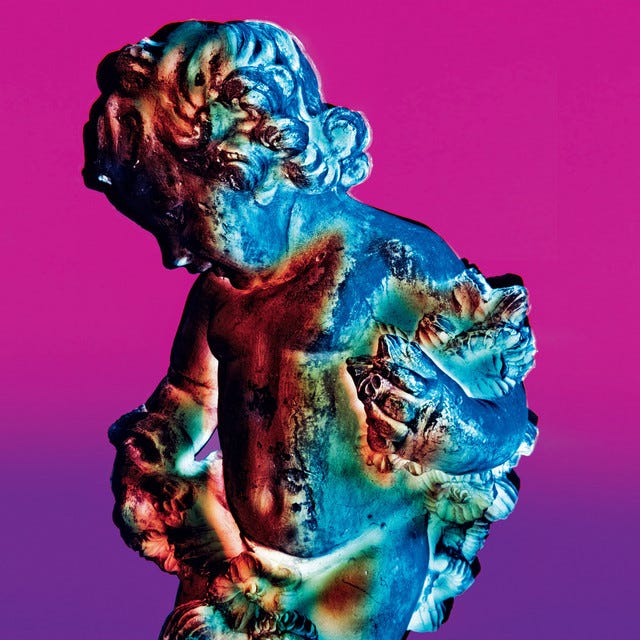
Discussion: What’re You Listening To?

A few thoughts on kids in the comments, New Order’s Brotherhood, and brilliant closing tracks.


The kids are all right.

NPR recently shared a story about comments that were appearing underneath its podcasts. In isolation, they didn’t make much sense, but they did seem to be talking to one another. At first blush, staffers assumed they were bots and set out to clean up the comment sections.

But then they asked a Gen Z coworker for their take, and her response will shock you…

Just kidding—we’re not doing that here. But it is an interesting story. As most of you know, social media platforms have started age-gating, and, well, like water seeking its natural level, kids got creative in trying to find new places to chat. It just so happens that the relatively empty comment sections under NPR podcasts fit the bill, so there they were. I don’t know who these kids are—though Ira Glass spoke to one of them, because of course he did—but I hope all of ’em wind up at NASA someday. That’s my kind of subversion.

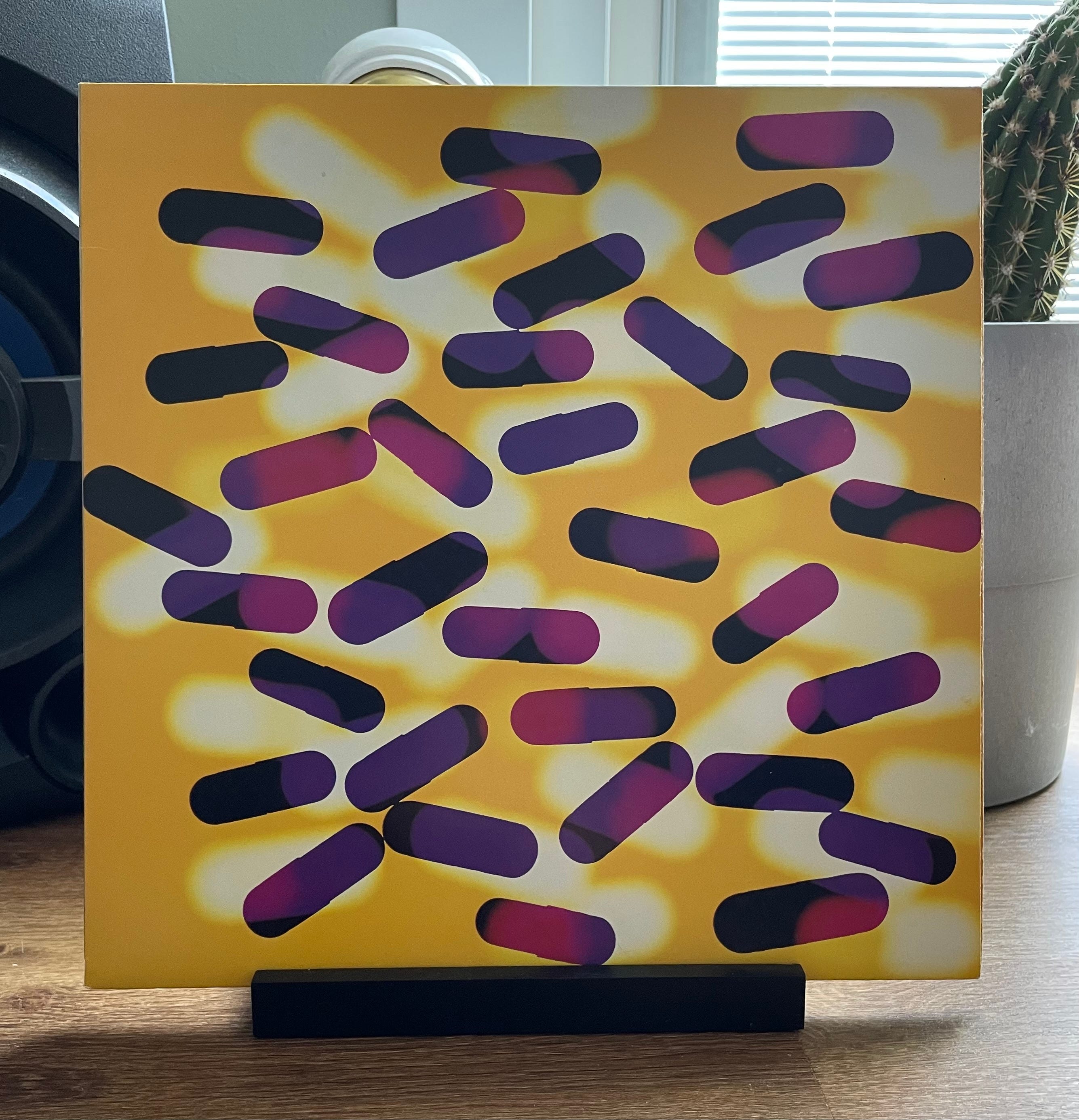
Kids will always find an overlooked corner of the internet and make it their own. In a much less technologically advanced version of that impulse, I’ve spent the week thinking about New Order’s Brotherhood: a great record that has spent far too long in an overlooked corner of the band’s catalog. If ever a record had middle-child energy, New Order’s Brotherhood is it. It’s also magnificent.

Talking about the record for an article on What Am I Making, I wrote:

Can a record have middle-child energy? If that’s possible, Brotherhood is it. Other records by the band spark lively discourse on fan forums or get slapped with a critic’s-darling label. Brotherhood has been unfairly exiled to a purgatory of inattention. Meanwhile, it’s just in the corner doing its thing, happy to be left alone. Split in half between electronic and analog, it’s a wild ride—and well worth it.

Brotherhood often gets overlooked in discussions about the band’s discography, and, to be fair, it does occupy a bit of a weird space in the group’s timeline. With one foot in the analog world and the other firmly planted in the electricity of Italian discos, the band was split on which direction to go. So they did the only thing they could: Side A is primarily acoustic, and Side B is dominated by digital. That represents a literal split in musical stylings and a fracture within the band.

So, you have a band growing tired of one another as people and split into two distinct tribes—rock and electronic—as musicians. All the while, their label was pushing them for a follow-up to Low-Life. No pressure, then! Those factors are a sure bet for disaster, and yet, once again, despite—or in spite of—themselves, they released a record that holds up well.

“Paradise” feels almost claustrophobic, with Sumner’s pleading vocals feeling almost smothering. Up next is the much brighter “Weirdo,” a track where everything feels like it’s this close to flying off into space, and the only thing holding everything in stable orbit is Hook’s bass. To my ear, it’s them at their best, and anytime I get a new stereo—or AirPods—this is the song I use to test them. “As It Was When It Was” gives listeners a wistful breather before things ramp back up with “Broken Promise.” Side A closes with “Way of Life,” a track that feels like a close cousin to “Weirdo.”

Initially intended to be a single, it was even released as a promo 12”, but it wasn’t meant to be. From Hook: “I really wanted to get another bass riff that was as good as ‘Age of Consent’… I managed it here by turning that riff backwards and using it again. Distorted bass intro. We got that by putting it through an Akai cassette player!”

“Bizarre Love Triangle” kicks off Side B and sets the tone early. As good as Side A is, the song isn’t halfway over before it’s clear what the future looks like for New Order.

That record turns 40 tomorrow, and I think it’s pretty clear that the future for the band did indeed include a lot of 808 synths and an overindexing on digital. I’m not mad about that, but it also included a lot of internal strife and the eventual fracturing of the band, with bassist Peter Hook advocating for a more analog sound and the rest of the band determined to follow the muse they’d first heard thundering out of clubs in NYC. The cracks really first start to appear here.

Hook is now performing with a supporting band, Peter Hook and the Light. Meanwhile, recent health issues have sidelined Gillian Gilbert and, by association, Stephen Morris, leaving frontman Bernard Sumner as the last original touring member. It’s a real Ship of Theseus situation, and, if I’m honest, for two people so at odds with one another, there’s not much daylight between what Messrs. Sumner and Hook are currently doing. One history, two ways. So be it. I guess this is my way of both plugging a great band and saying: get out and see yours while you can.

And listen to Brotherhood! Turning 40 tomorrow, it is no longer a kid, but what it does do—and does well—is hold up. For a record heading headlong into middle age, it sounds as good as it did the first time I heard it… as a kid.

In the above article, Morris talks about the band’s “Bizarre Love Triangle” and how it was initially grossly overlooked. He also talks about “Face Up” (from the band’s “Low Life” LP), which he loves but that fans met with indifference. You could’ve fooled me; it’s one of my favorites from the band, and arguably their best closer.

In my talk with Matty at WAIM, I mention another track from Brotherhood, “Weirdo,” and how anytime I get a new stereo, speakers, or even AirPods, it’s the song I use to first test ’em out. I don’t see that changing anytime soon; I’ve been doing it since I was a kid.


Onto the music:

“Face Up” and “Weirdo” are both here, as is “Way of Life,” which was initially slated as the record’s “breakout” single (You didn’t really think I wasn’t gonna try to squeeze a third New Order track on here, did you?). But there’s also much newer stuff, including the latest from community favorite Lydia Loveless, Julia Jacklin, and Nathan Kendall. We’ve also got one from Louisville’s Future Fossils that, if you’re not careful, will melt your speakers, and one from the Klittens. Isa Heller’s also here, closing things out with a sticky groove in “Wildflower.”

Speaking of closers, besides “Face Up” and Wildflower, there are a couple of others here. Over at The Runout Grooves, our friend Mitchell Stirling is running a survey on the best closers of the 2000s, and to say they’ve been on my mind and in my ears would be an understatement. If you’ve got a second, check out the survey and vote for your favorites. I can almost guarantee a couple will still be in your heavy rotation, and maybe some you’ve completely forgotten about.

If you’ve got some thoughts on closers, New Order, or anything else on this list, I’d love to hear them.

And if some random kids show up in the chat, be cool!

KA—

The Playlists: | Apple | Qobuz | YouTube Music | Tidal (NEW) |

Now it’s your turn.

What’s been exciting you lately? Any releases or shows you’re looking forward to? Whatcha got? Share your thoughts in the comments!
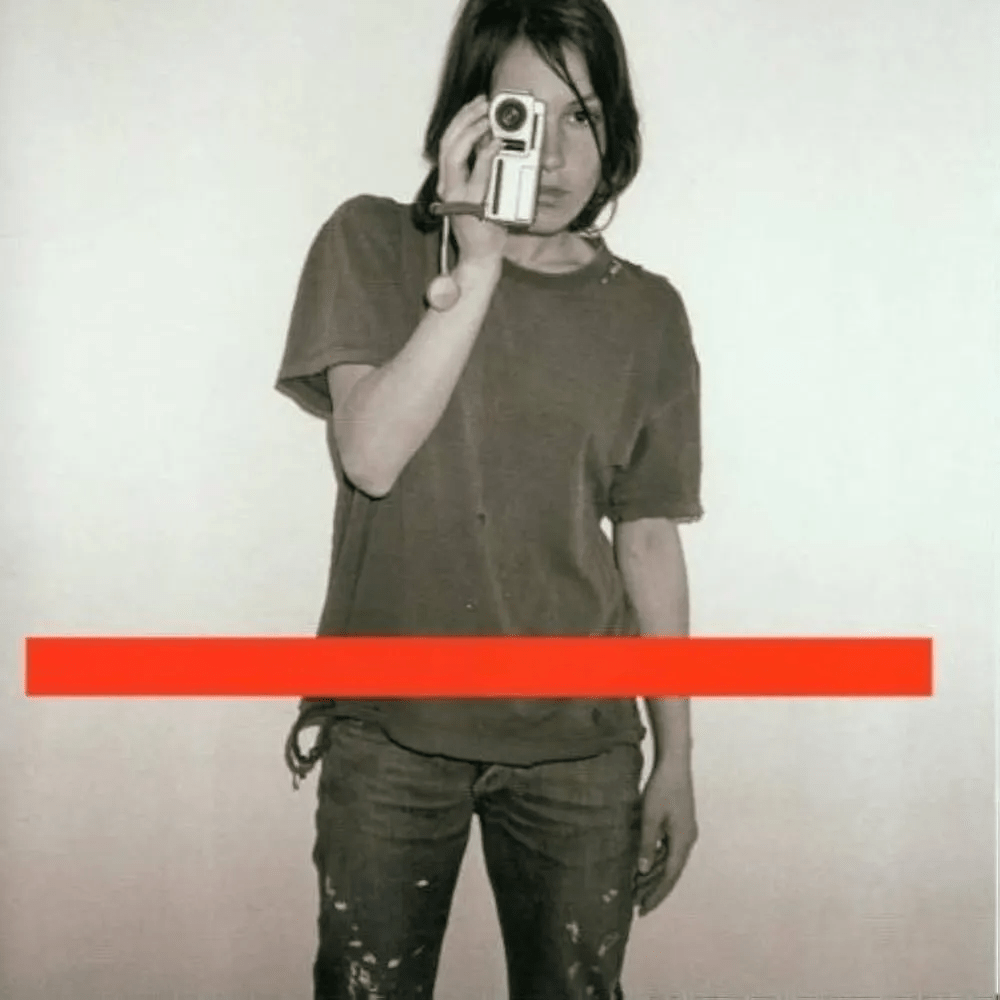
A Quick Look at New Order’s ‘Get Ready’

Best Record of 2001: Day 54

Cover art courtesy of London/Reprise Records

Good morning!

Today we’re taking a quick look at ‘Get Ready’ by New Order


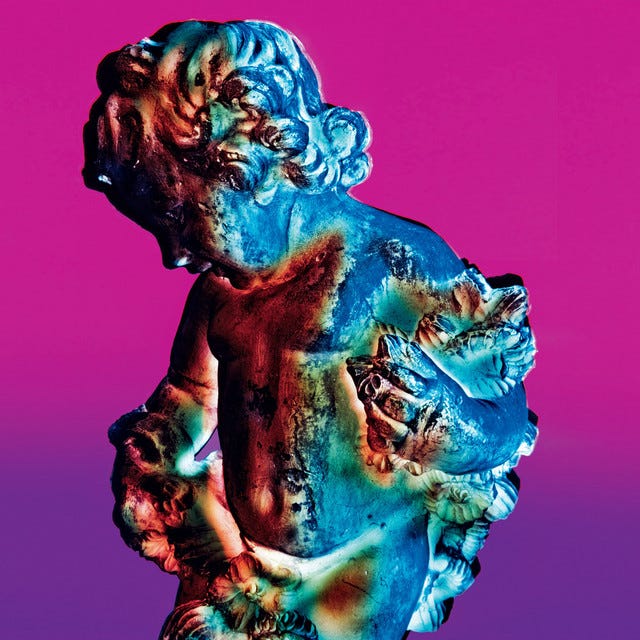
It took 8 years to get the band back together for what would ultimately be their final record in their original form. Get Ready isn’t a bad album; it just feels like watching a show that ran for a season too long. With the exception of “Crystal,” and ”60 Miles an Hour,” I’m not sure I could ID any other track by sound alone. It just never established itself in my head.

“(the title) could mean anything or nothing. I thought it was just nice; New Order, Get Ready; ‘cause we are, we’re getting ready for the next phase of our musical lives both physically and mentally, so it’s quite a simple thing but it’s very pertinent

~Peter Hook

In hindsight, part of that is because I was — and am — so invested in the band’s earlier work. 8 years is a long time, and if you’re still enjoying the band’s “old stuff,” it’s easy not to put much stock in a new release with a new(er) sound.

I seem to be in the minority here, as it was well-received by many critics, with David Browne of Entertainment Weekly describing it as a “stunning and confident return to form.” It had guests such as Billy Corgan and Bobby Gillespie.

Get Ready had all the ingredients to top this list, and yet…

New Order have a lot of tracks that can read like an elegy– to say nothing of Low Life’s “Elegia.” But perhaps none feel as melancholic as “Run Wild.”

Open hearts, empty spaces
Dusty roads to distant places
But all the time when I’m alone
I think of you and how you’ve grown
Far and wide, sweet and simple
Jehovah knows that I’ve been sinful
But if Jesus comes to take your hand
I won’t let go, I won’t let go

Recorded in the wake of manager & longtime friend Rob Gretton’s passing, this feels like a goodbye as the band moves on to its next chapter.


Bottom Line: Sure, this might not be my favorite record by the band, but it’s New order! There might be a universe where I vote against them, but this ain’t it.

Tell me: Any thoughts on this one? Where would you rank Get Ready? Sound off in the comments!

New Order’s ‘Technique’ | A Quick Look at the Band’s Seminal 1989 Record

On their fifth release the dance rock pioneers hit their peak

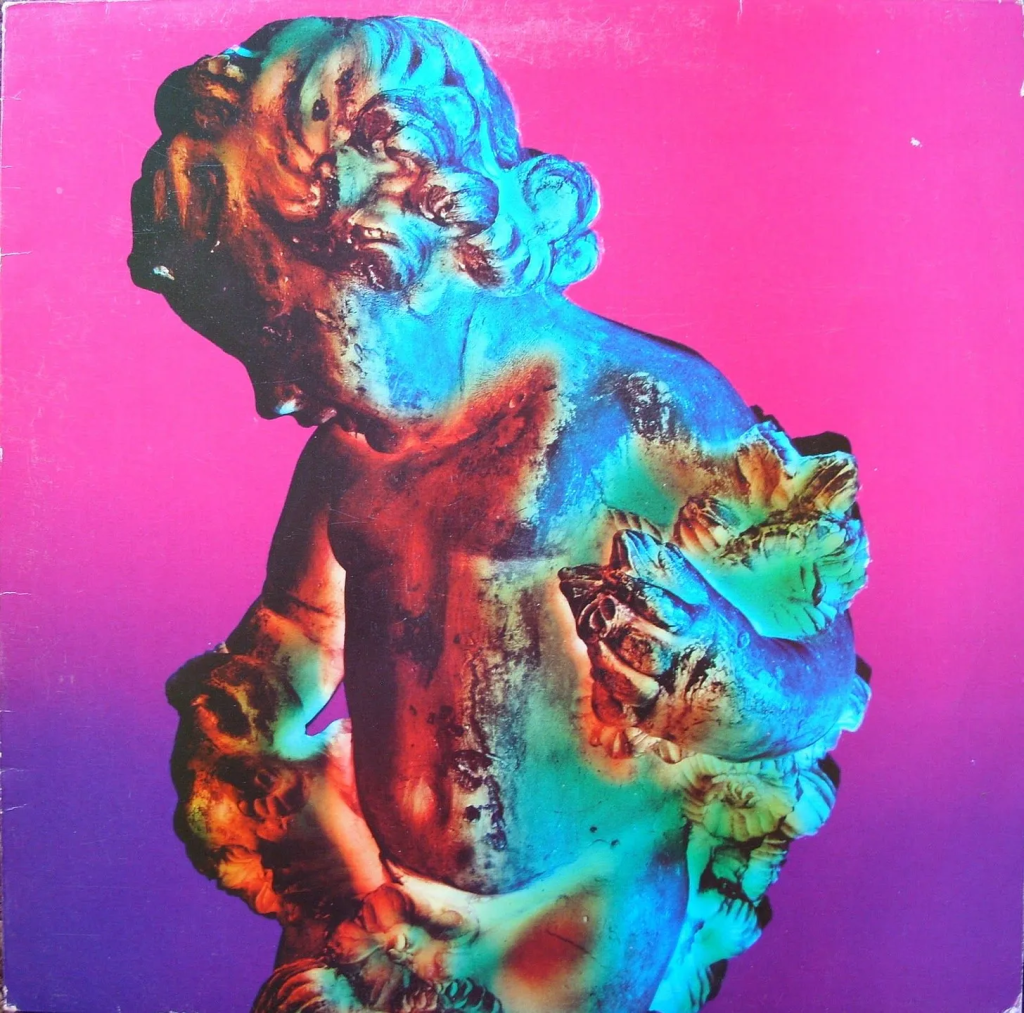
Album art courtesy of Qwest Records

Good Morning!

Today we’re taking another quick look at ‘Technique’ by New Order as it takes on Billy Joel’s Storm Front on Day 29 of the Best Record of 1989 Challenge.


There’s not much point in burying the lede here; this lookback won’t come close to being objective. If you’ve been with us for more than a few weeks, you know my love for this band and are keenly aware that On Repeat Records could devolve into a New Order fan page at any moment.

That said, this record is a massive achievement for the band at a time when not much else was going right for them-certainly not internally, anyway. To put something out amidst so much strife and financial pressure alone would be worth noting. That it is some of the best work they’ve ever produced makes it all the more remarkable.


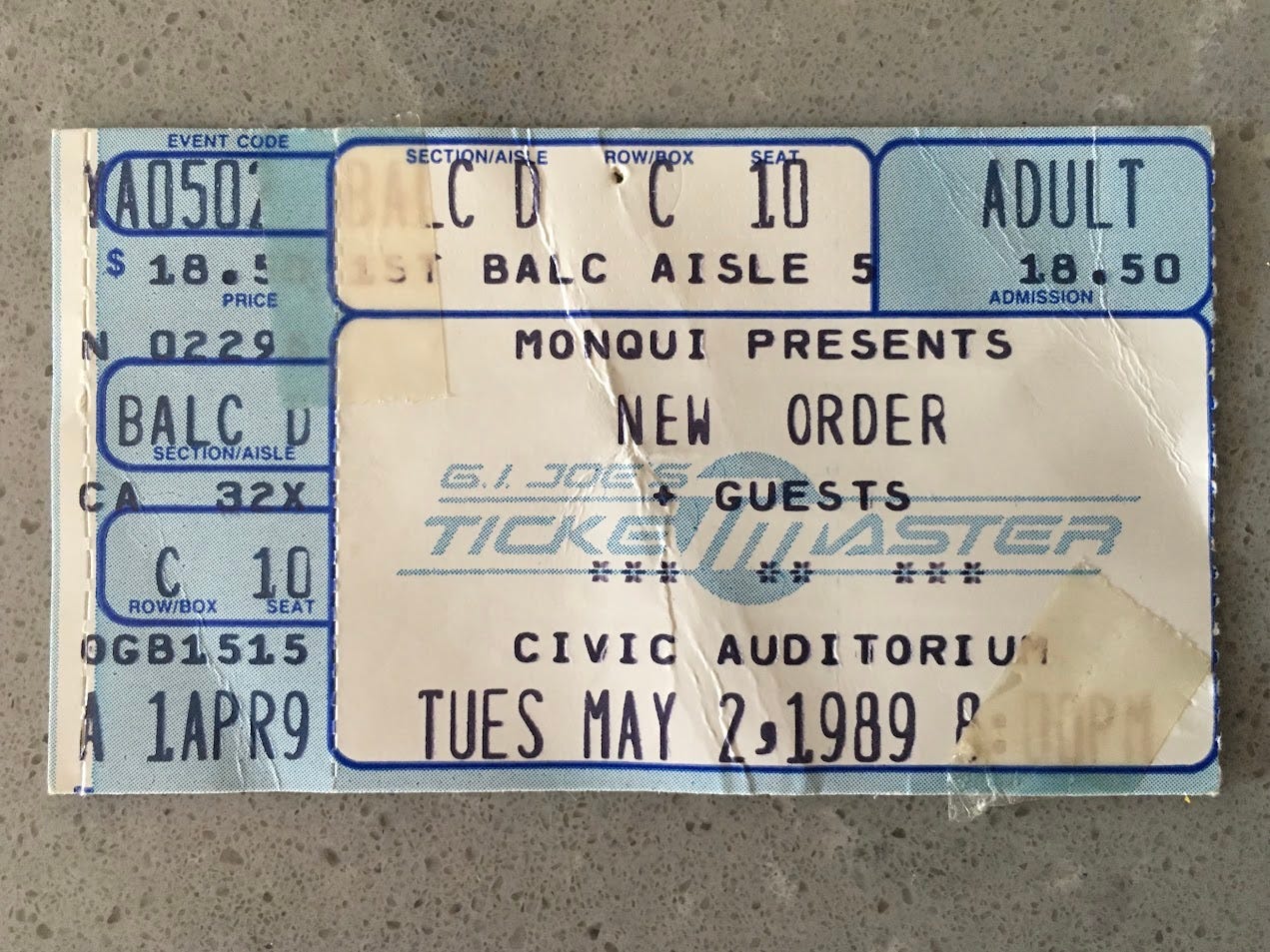
Most people will remember March 24th, 1989, as the date the Exxon Valdez ran aground. I remember walking to the closest shopping mall to get tickets to see New Order.

That was the closest Ticketmaster outlet, and I was probably halfway down the street before my mom had even finished giving me permission. With the benefit of hindsight — and now being a parent myself — I now know what a huge leap of faith this must’ve been for her. We lived in the suburbs, and she was giving the green light to an (almost) 14 yr. old to ride the bus across the metro area to see a band she heard nonstop but didn’t know.

I suppose on some level you just know when to let your kids leap.


The band was on the road supporting their 5th studio album, Technique, and it came out when I was in junior high. The record was one of the bright spots in an otherwise blah era for me.

If Low Life is a show at an intimate venue, Technique is a sweaty rave filled with strobe lights and ecstasy. Indeed, the record was partly recorded in Ibiza with the band off their rockers. Technique is firmly rooted in the sounds surrounding them in their new environs. They choose the sunny locale at Hook’s insistence after a run of recordings made in “dark and horrible” London studios. The band decamped for Ibiza, hoping the change in scenery (and menu of drugs) would have the same positive effect that New York had had for them years earlier.

It worked…sort of…

After four months, the band only had ‘Fine Time’ and a couple of other tracks recorded to show for their time on the island. Declaring their holiday over, their label called them back to the UK, where they finished the record at Peter Gabriel’s Real World Studios.

We had expected to hear a lot of acid house music when we got to Ibiza because that had taken off in Manchester two to three months before we left, but we didn’t – we were hearing something called Balearic Beat,” Bernard said.We were actually disappointed at first because we were really into acid house, and what we heard, this Balearic Beat, was this crazy mash-up of styles and really commercial-sounding but there was also some really good stuff. By the end of our time there we were really influenced by it.

Their time in the sun may seem unproductive on the surface, but it had left an indelible mark on the group’s sound.

Fine Time is an acid-house Balearic Beat classic. Round and Round1 is pop perfection and saw decent airtime on MTV.

Run is credited to not only New Order, but also (*checks notes) John Denver?!

Yes, really. Denver sued the band, alleging that the guitar riffs were lifted from his Leaving On a Jet Plane.The case was settled out of court, with his name subsequently added to the credits.

A mediocre picture of the fantastic ‘Fine Time’ 12”. Photo by author.

We could do a track-by-track breakdown, but the short version is this: Technique feels like the band’s most honest record. Whether that’s down to the drugs or the Balearic sun, I don’t know. In the end, I suppose it doesn’t matter.

Perhaps more importantly, it is economical. Listening to it, every note has its place, and there is nothing extraneous. It’s both a dance record and a pop record—in other words, a New Order record—but listening to it, there is a discipline that sets it apart from the band’s previous work.

The songs themselves are compact; the sequencers nailed down— there is no 9-minute version of anything on this LP. By this point, the band had also mastered the art of shifting between pop and dance tracks.

On Brotherhood, a distinct boundary exists between the two (literally- the styles each have their own side on the album). There are no guardrails here; the band makes segueing between styles look easy.

All of that is well and good, but why is it my number 1?

Technique was really the first record by the band that I found on my own. Yes, I knew them. Yes, I’d heard almost everything they had recorded up to that point. But this was different; I’d learned of its release on my own and gone and bought it with my own money.

No hand-me-downs from friends’ older siblings or songs clipped from mix tapes. You always remember your first…

Good records always take you somewhere special. Thirty-five years later, Technique still does that for me.


Listen:

New Order | Technique, 1989

Click the record to listen on the platform of your choice.

What are your thoughts on this record? Do you have any favorite tracks or memories associated with it? At 35, does it still hold up? Share your thoughts in the comments!


As for Storm Front, aside from it never having a chance going up against New Order, it’s not good. I might be the only one that likes “We Didn’t Start the Fire,” but even that’s just one song on a totally dour record. “Go to Extremes” is a nice bit of pop, I guess. The rest just feels like Joel mailed it in. No thanks.

Check out the full bracket here.

Info on the tourney, voting, and more is here.

As always, thanks for being here.

KA—

A Quick Look at New Order’s ‘Low Life’ at 40

Four decades on, the band’s third release sounds as new as it did on Day 1.


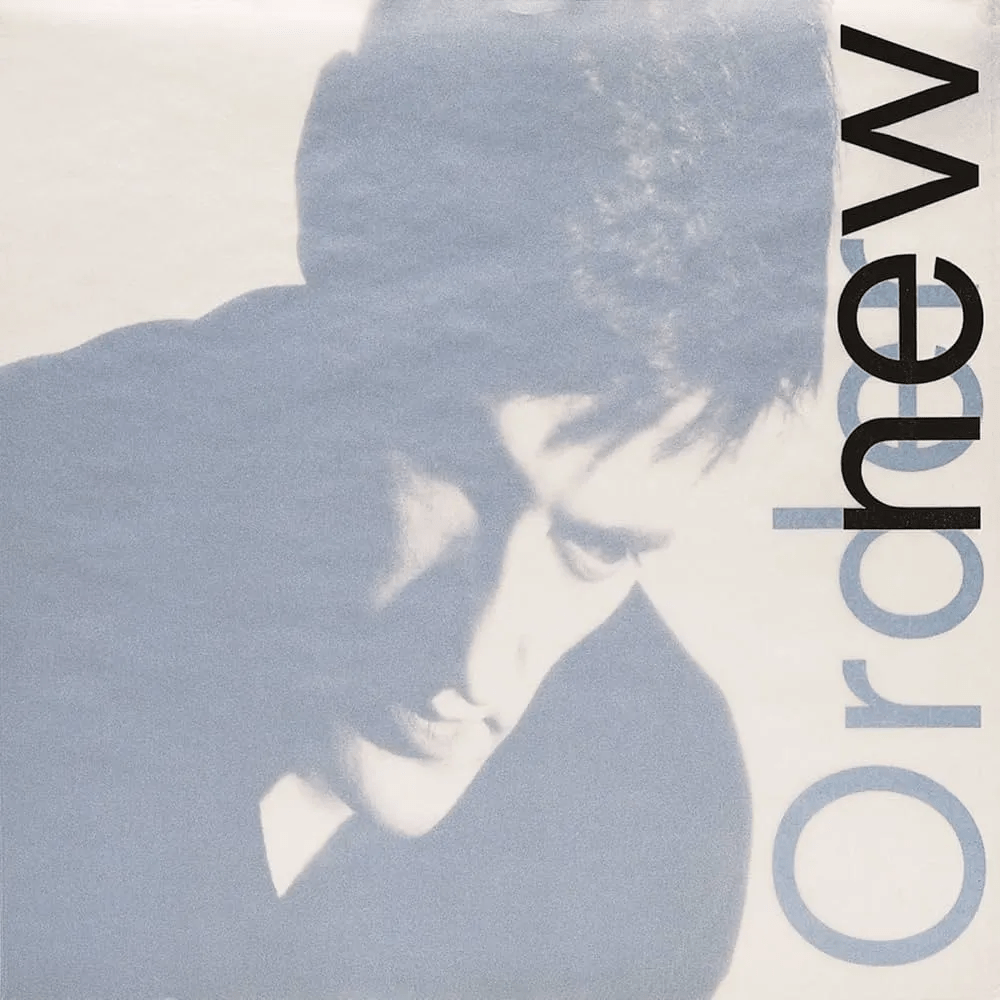
Today we’re taking a quick look at New order’s Low Life LP as it turns 40.

If you’ve been here more than a day or two, you know my love for this band. Various people have described it as “rabid,” “partisan,” and “a lot.” I can’t argue with any of those, nor would I want to. I’m old enough to still reflexively sneer at the term “fanboy,” but when the shoe fits…

At any rate, this isn’t the first time the band has grabbed some column inches here, and it won’t be the last. Indeed, some of the first writing I ever did online (not counting shitposting in aviation forums) was on the band. Along the way, we’ve covered their underrated tracks, force-ranked each closing track of the first ten records, and twice made the case why they should be in the Rock and Roll Hall of Fame. Expect a third around this time next year.

TL; DR- I love this band and I love this record.

The Transmissions podcast (correctly) described the band as one that changed the world. Twice. I just described them as one I shamelessly love. This first ran as part of a piece I wrote for Matty C’s What AM I Making newsletter, where I talked about their first four records.

Low Life is the third of that lot, and 40 years on, it is still one of their best. To my ear, it sounds as relevant now as it did on day 1. What do you think?

KA—

I had a giant poster of this record cover for years, and I was well past the “unframed poster” age when it finally came down. It survived more moves than many other supposedly more important possessions. (and more than a few relationships, jobs, etc.). New Order—or rather their graphic designer Peter Saville—also habitually released records with beautiful covers. Every release was a marriage of sight and sound. Saville wasn’t picky, either; he was at home tapping into Bauhaus or Constructivist influences as much as he was classic art. In this case, we got the first—and to date, only— cover to feature pictures of themselves on the cover.

Low Life first hit my ears early in junior high. I’m now pushing fifty, and still play it quite often. The idea that I now have a kid the same age I was when I first found this is mind-bending and probably a story for later.

The album is tight from A1 to B4, with almost no missteps. The punchy “Love Vigilantes” kicks things off, and the listener immediately knows things will be different. First, the lyrics are a narrative (the lyrics finally tell a story! Stay for the surprise at the end!). The frantic “Sunrise” features one of Hook’s most propulsive bass lines–really, Hook’s bass playing is solid across the entire record– and the tandem of Morris & Gilbert adds a pop layer to everything.

Low Life marks the spot where the band finally decided to include singles on their records, though they were often heavily remixed. The first single was the glorious “The Perfect Kiss” (this author’s favorite song, not just on the record but of all time). The only thing wrong here is that they used the 5-minute version, not the epic 9-minute 12″ single. The record’s last track, “Face Up,” starts moody before shapeshifting into a very poppy track with Sumner practically yelling, “Oh, how I cannot bear the thought of you!”

I don’t know who he was singing about, but I still don’t like them.

This is also their first record that feels like a record with an overtly intentional progression and lyrics that aren’t intentionally vague. It’s meant to be consumed in whole. Words are used to tell actual stories here–at least in a few places.

The result? A blindingly good record

As always, I’d love to hear your thoughts on these records! Did I get it right, or am I way off the mark?

Leave a comment

New Order’s Technique at 35: A Quick Look at the Band’s Seminal 1989 Record

On their fifth release the dance rock pioneers hit their peak

Good Morning!

Today we’re taking a quick look at ‘Technique’ by New Order as it turns 35.


There’s not much point in burying the lede here; this lookback won’t come close to being objective. If you’ve been with us for more than a few weeks, you know my love for this band and are keenly aware that On Repeat could devolve into a New Order fan page at any moment.

That said, this record is a massive achievement for the band at a time when not much else was going right for them-certainly not internally, anyway. To put something out amidst so much strife and financial pressure alone would be worth noting. That it is some of the best work they’ve ever produced makes it all the more remarkable.


Most people will remember March 24th, 1989, as the date the Exxon Valdez ran aground. I remember walking to the closest shopping mall to get tickets to see New Order.

That was the closest Ticketmaster outlet, and I was probably halfway down the street before my mom had even finished giving me permission. With the benefit of hindsight — and now being a parent myself — I now know what a huge leap of faith this must’ve been for her. We lived in the suburbs, and she was giving the green light to an (almost) 14 yr. old to ride the bus across the metro area to see a band she heard nonstop but didn’t know.

I suppose on some level you just know when to let your kids leap


The band was on the road supporting their 5th studio album, Technique, and it came out when I was in junior high. The record was one of the bright spots in an otherwise blah era for me.

If Low Life is a show at an intimate venue, Technique is a sweaty rave filled with strobe lights and ecstasy. Indeed, the record was partly recorded in Ibiza with the band off their rockers. Technique is firmly rooted in the sounds surrounding them in their new environs. They choose the sunny locale at Hook’s insistence after a run of recordings made in “dark and horrible” London studios. The band decamped for Ibiza, hoping the change in scenery (and menu of drugs) would have the same positive effect that New York had had for them years earlier.

It worked…sort of…

After four months, the band only had ‘Fine Time’ and a couple of other tracks recorded to show for their time on the island. Declaring their holiday over, their label called them back to the UK, where they finished the record at Peter Gabriel’s Real World Studios.

We had expected to hear a lot of acid house music when we got to Ibiza because that had taken off in Manchester two to three months before we left, but we didn’t – we were hearing something called Balearic Beat,” Bernard said.We were actually disappointed at first because we were really into acid house, and what we heard, this Balearic Beat, was this crazy mash-up of styles and really commercial-sounding but there was also some really good stuff. By the end of our time there we were really influenced by it.

Their time in the sun may seem unproductive on the surface, but it had left an indelible mark on the group’s sound.

Fine Time is an acid-house Balearic Beat classic. Round and Round1 is pop perfection and saw decent airtime on MTV.

Run is credited to not only New Order, but also (*checks notes) John Denver?!

Yes, really. Denver sued the band, alleging that the guitar riffs were lifted from his Leaving On a Jet Plane.The case was settled out of court, with his name subsequently added to the credits.

A mediocre picture of the fantastic ‘Fine Time’ 12”


We could do a track-by-track breakdown, but the short version is this: Technique feels like the band’s most honest record. Whether that’s down to the drugs or the Balearic sun, I don’t know. In the end, I suppose it doesn’t matter.

Perhaps more importantly, it is economical. Listening to it, every note has its place, and there is nothing extraneous. It’s both a dance record and a pop record—in other words, a New Order record—but listening to it, there is a discipline that sets it apart from the band’s previous work.

The songs themselves are compact; the sequencers nailed down— there is no 9-minute version of anything on this LP. By this point, the band had also mastered the art of shifting between pop and dance tracks.

On Brotherhood, a distinct boundary exists between the two (literally- the styles each have their own side on the album). There are no guardrails here; the band makes segueing between styles look easy.

All of that is well and good, but why is it my number 1?

Technique was really the first record by the band that I found on my own. Yes, I knew them. Yes, I’d heard almost everything they had recorded up to that point. But this was different; I’d learned of its release on my own and gone and bought it with my own money.

No hand-me-downs from friends’ older siblings or songs clipped from mix tapes. You always remember your first…

Good records always take you somewhere special. Thirty-five years later, Technique still does that for me.


Listen:

New Order | Technique, 1989

Click the record to listen on the platform of your choice.

What are your thoughts on this record? Do you have any favorite tracks or memories associated with it? At 35, does it still hold up? Share your thoughts in the comments!

Thanks for being here,

Kevin—

1

The video features several supermodels, including Elaine Irwin, who would marry John Mellencamp a couple of years later, and Cynthia Bailey, who would rise to fame when cast on Bravo’s ‘The Real Housewives of Atlanta’ reality series.