How family history, Latin music, and the thrill of crate digging inspired his growing online record store.
Good morning!
Today, I’m sharing a recent conversation I had with one of the coolest people in the vinyl collecting world. We’ll be back to business as usual next week.
One of my favorite vinyl pickups lately is a holiday record that Spanish airline Iberia put out in 1962. If you were to draw a Venn diagram of my life, it would land near dead center. I’ve always been the kid who looked up at planes as they passed overhead, wondering where they were going, and somehow I managed to turn a love of the golden age of aviation into a career. My feelings about records should be pretty well known by now. The cover is even blue, which happens to be my favorite color.
“One of my favorite things about digging for vinyl is the moment you pick up a record and realize it was made somewhere you’ve never been, by someone you’d never otherwise know, and somehow it still speaks directly to you.”
This particular record feels like it has a library full of backstories. Why did an airline issue a record? Was it meant for customers? Employees? How did it make its way to the U.S.? (By air, I’m sure—but who brought it?) How many hands—and holidays—has it passed through along the way?
I can daydream about that all day, but I do know the last leg of its journey: it came from Los Angeles, courtesy of my friend Kadrian Alvarenga.
Look, I know I like to kvetch about the internet. Writing about how it’s atomized us comes easily for me. But for all its faults, it still creates incredible connections with people I’d never encounter otherwise. Kadrian and I first crossed paths online—either here or on Threads—and I was lucky enough to have him contribute a guest post about KISS, where he talked about separating art from artist, and the line each of us draws in those situations.
He was also the writer behind First Pressings, a newsletter chronicling the adventures of life as a vinyl addict. The newsletter wrapped up last December. But, as you’ll see, it was for a very good reason.
Like many of us, Kadrian found solace in vinyl during the pandemic. Already a music fan, he suddenly had both time on his hands and a batch of records he’d inherited from his father. That was all the spark needed to ignite a full-blown passion for collecting.
Soon, he was attending pop-up sales around Los Angeles, first as a buyer and then eventually on the other side of the booth as a seller. At the same time, he was building a following through pop-up sales on Instagram.
Now he’s leveled up again: Latin Gold Records is a full-fledged online store.
Latin Gold Records is an online record shop—and Los Angeles-based pop-up—that specializes in Latin music: salsa, boogaloo, Latin jazz, and cumbia. But Kadrian’s taste isn’t limited to any one lane.
“I carry everything that catches my ear—from funk to punk, rock to jazz, world to weird, and all the notes in between.”
I’ve personally picked up several records from the shop already, and I’m sure there are more to come. It’s been all upside: I’ve discovered cumbia and other genres that were real blind spots for me, along with fun finds like the Iberia record I mentioned at the top.
In our wide-ranging conversation, we talk about the origin story of Latin Gold Records, the surprises he’s encountered along the way, and how inheriting records helped both of us understand our fathers not just as “Dad,” but as people.
One quick thing I want to mention up front: I’m a big believer in businesses giving back—whether that’s the “artistic tithing” we do here or direct support for important causes. Businesses can—and should—be forces for good.
Kadrian has chosen to support CHIRLA, an organization that’s important to him and does vital work advocating for immigrant communities. Currently, 10% of all Latin Gold Records sales go directly to the group.
Getting some killer records is cool enough. Knowing some of that money goes to a good cause? That’s music to my ears.
My original plan was to use this as a good time to “pivot to video” and see how it went. And I gotta say, from our side of the screen, it went great. But we had so much fun bouncing between business and real life that, without context, it might feel a little disorienting (note to self: next time, don’t pick ‘single screen.’). It was like we’d known each other for years and simply picked up where we left off.
I had a list of questions and a rough outline to keep things on track.
That lasted about 30 seconds.
What you’ll hear instead is the raw audio of two music nerds finally meeting, talking about records, and celebrating the thrill of finding the right record at exactly the right time.
The 3rd Annual On Repeat & Friends Best Records of 2025
Good morning!
Today we’re taking a look at our Top Albums of 2025
We’re back!
By almost any metric, 2025 wasn’t great. The universe didn’t send us its best. But if we’re talking about records—and we are—this was a banner year. For every stain on the landscape (Daniel Ek, the Velvet Sundown), there were countless counterpoints: music that doubled down on what we love, and artists unafraid to cover new ground.
I sometimes get asked if I ever worry that I’ll run out of records to write about. My answer is always a polite version of, “Are you kidding me?!” That might happen at some point, but the biggest hurdle in 2025 was finding enough time to cover all the records I wanted to. I thought for sure I’d have figured out how to do that by now. Nope. Maybe next year.
The list below represents what I consider the best the year had to offer. These were the records that consistently fed my ears and lit up my brain. For fans of semantics, we can swap in/out terms like “best,” “favorite,” etc.—dealer’s choice.
The ultimate barometer is this: if we were at a diner after a show and you channeled your inner Rob Gordon and asked me what records I’d recommend, these would be the ones I pitched.
For the past couple of years, Sam ColtSteve Goldberg and I have put together our annual favorites. There’s not a lot of overlap in taste, and that’s what keeps this so fun. I’m not blowing smoke when I say that I start looking forward to this group project in early fall.
When you’re done here, please head over to their pages and check out their takes!
Meet the co-conspirators
Sam Colt—Recovering copywriter and author of This Is A Newsletter!—a consistently hilarious, biting chronicle of modern life and its indignities.
Sam’s List:
Rosalia- Lux
Clipse- Let God Sort ‘em Out
Deftones- Private Music
Geese- Getting Killed
billy woods- GOLLIWOG
Nourished by Time- The Passionate Ones
Wednesday- Bleeds
Panda Bear-Sinister Grift
FKA twigs- EUSEXUA
Stereolab- Instant Holograms on Metal Film
Read his full breakdown- including honorable mentions-here.
Steve Goldberg—Writes Earworms and Songloops, weaving personal essays with the songs that lodge themselves in your brain.
Steve’s Picks:
(alphabetical order)
Yazz Ahmed – A Paradise in the Hold
Amadou & Mariam – L’amour à la folie
The Antlers – Blight
The Besnard Lakes – The Besnard Lakes Are the Ghost Nation
Anna Von Hausswolff – Iconoclasts
Henge – Journey to Voltus B
Walt McClements – On a Painted Ocean
Midlake – A Bridge Too Far
Vines – I’ll Be Here
Youth Lagoon – Rarely Do I Dream
Check out Steve’s thoughts on his picks—and those that just missed the cut— here.
As in Part 2, some of these we’ve talked about before, and I’ve included excerpts from previous reviews. I like yapping about records, but the goal is—and remains—finding you a new favorite or two.
Also: All are Gizmo-approved:
Let’s get to it!
Immersion-WTF
My love for Wire is no secret, and the same holds true for frontman Colin Newman’s solo work. This year, that circle expanded to include Immersion, his project with partner Malka Spigel (formerly of Minimal Compact). They actually gifted us two releases this year (plus a collaboration with / reworking of a single by Dummy). Nanocluster Vol. 3, with SUSS, was gorgeous. WTF?? takes the best parts from all of those disparate pieces and blends them into something incredible.
From my original review:
The record kicks off with “Defiance,” an instrumental that gets things off to a strong start with uptempo beats but refuses to plant its flag in either camp: not synth, not pop, not really anything but itself. Immersion—and Wire before them—thrive in these in-between zones, especially when they let the music do the talking. I tried to categorize their last record, Nanocluster Vol. 4, and failed spectacularly. I know better this time around.
“It’s a Long Way to Brooklyn” is a highlight, a track that doesn’t need words. But the whole thing opens up when they do. Spigel’s voice on “Timeline” is cool and almost detached, and Newman sidles in with a wry spoken-word counterpoint. Elsewhere, like on “Use It Don’t Lose It,” his trademark deadpan delivery turns a good track into a great one.
If this all sounds heavy, it is—and it isn’t. At least no more so than something like Talking Heads’ Life During Wartime was back in the day. David Byrne was singing about NYC’s Alphabet City, and Immersion is speaking on a much larger scale. Nevertheless.
WTF?? is an album about the constant, low-grade anxiety of modern life, and an era where current events have you saying “what the fuck?” several times before lunch.
Bob Mould- Here We Go Crazy
At my day job, one of my corollary duties is administering annual hearing exams and helping people find hearing protection that works for them. This is thanks to Bob Mould.
Husker Du’s New Day Rising hit me like a kick to the head and was never played at less than full volume. I liked it that way and loved his power trio, Sugar. To this day, it’s still the loudest show I’ve ever been to. I used to find that post-show ringing in my ears a weird badge of honor. When it was still there after day two, I started to worry. My hearing rebounded (sort of), which marked the point when I no longer cared how uncool I looked wearing earplugs at shows. But Mould hasn’t quieted down. He’s at his best when he’s at full throttle, and on his 15th solo record, he delivers.
The opener, “Here We Go Crazy,” reminds listeners of the best parts of Sugar. “Fur Mink Augurs” and “Sharp Little Pieces” are equally intense. The songs come at you relentlessly: blast furnace chords, merciless drumming, and sometimes hard-to-understand vocals (especially for those with hearing difficulties). When you listen closely, they often touch on challenging subjects—it would be easy for a sound like this to wear down even the strongest among us. Yet Mould consistently shows us a bit of light (heh).
Here We Go Crazy isn’t exhausting; it’s invigorating. It’s a breath of fresh air at a time when we need it more than ever. Play it loud; just remember to limit your exposure and keep in mind that the most effective hearing protection is the kind you’ll actually wear.
Hayley Williams– Ego Death at a Bachelorette Party
I know you’ve already seen a bazillion reviews of this record, so let me save us all some time by just saying: “same!” But before you go play it, I want to add that I love how this record was released. Last year, Cindy Lee’s Diamond Jubilee drew raves for not being streamable and for being available only on YouTube and a specific website. Williams followed suit (sort of) by releasing the tracks via her website—no tracklist, no problem.
This is her first outing as an independent artist, and if that’s not doing things on your own terms (while raising a middle finger to those who got rich off your talent for decades), well, I don’t know what is. Williams—and, to an extent, Paramore—have always shapeshifted stylistically, but here that impulse is taken to another level, with wonderful results. Still, in my opinion, she truly shines when she leans all the way into old-school pop, like “Good Ol’ Days.”
Do the kids still refer to songs as “bops”? Because this is a bop—and a perfect example of her incredible talent.
Ryan Davis & The Roadhouse Band- New Threats from the Soul
Over the last few months, there’s been a trend in “bigger” publications to tout Americana as the latest new thing, as if it just popped out of the ether—as if Waxahatchee (or whoever) suddenly sparked a whole-ass genre. That’s obviously not true. What’s actually happening is that people are slowly discovering artists and bands who have been there, putting in the miles for years.
I can’t claim any sort of moral high ground or expertise here. As noted in my initial review, “until not too long ago I was a dues-paying member of the ‘anything but country’ club”—a broad brush that also treated folk and Americana as collateral damage. As usual, I’m late to the party, but I’m happy to be here now.
That said, how do you not fall for a record that casually namechecks A Tribe Called Quest, Peg Bundy, and Betty Rubble before the first chorus even hits?
And then a line like this comes in and stops you cold:
“You can see the kingdom from the tailgate
If you stack a couple coolers, but you’re never gonna see it from the front of the line”
Maybe college football has cooked my brain, but damn, that’s my kind of wordsmithing. Again, we’re not even through the opening track here!
Speaking of which, these sound radio-friendly but are absolutely not built for the airwaves—the shortest track here clocks in at 5:55. That’s fine by me. Morgan Wallen and co. can have the chart space and radio spots. This is a record suited for back roads, sitting on the porch, or in your favorite bar on a cool summer evening.
With New Threats…, Davis and the Roadhouse Band tip their hat to Americana while bringing new energy. It’s not easy to sound brand-new and 100 years old at once, but they walk that tightrope well here (absolutely NOT derogatory). It’s music that understands the lay of the land, respects it, and is cool with adding its own take. It’s the sort of thing that will convert skeptical listeners like me sooner rather than later.
Nourished by Time- The Passionate Ones
When I was in high school, my girlfriend was very much into R&B, and I was very much… not. We landed at a kind of musical détente, where we’d swap who got to control the music based on a very blurry set of criteria that seemed to change with every trip. That said, there were a few “compromise” records that we both begrudgingly enjoyed.
The Passionate Ones reminds me of that same very narrow band of R&B from around 1988–92 that used to blast out of my tape deck. We spent a lot of that time dreaming, and on Marcus Brown’s latest, it feels like a love letter to the dreamers—the ones just trying to get by. It’s a bit of sonic reassurance that it’s okay to have your head in the clouds.
It might evoke memories of bands and days gone by, but it’s also really hard to pigeonhole. Sure, R&B fits, but so do experimental and dance. Brown takes us on a ride and isn’t afraid to go off on a tangent or two. And there are earworms, and…
…and in a world where slop like Velvet Sundown becomes a thing, it’s nice to know there are still some things Suno just ain’t going to be able to copy. In my totally objective, not-at-all-blurry rubric for what makes a great record, originality is part of the calculus. And in that category, The Passionate Ones is off the charts.
There are no compromises on this LP, but I’d like to think it would absolutely qualify as a compromise record.
The number one way my newsletter finds new readers is when people share it. So, feel free to spam share it with everyone.
Have you ever been to Wendover, Nevada? If not, it’s a border town that’s a little worse for wear. Not quite a Temu-brand Vegas, but it’s close. It’s transient by nature, and melancholy and hard luck seem to be the only permanent residents.
In my head, this is the sort of place where Dan Bejar—aka Destroyer—would have a standing gig as a lounge singer. The songs are great, but the louche persona he’s built feels like a perfect fit. On 2011’s synth-pop masterpiece Kaputt, he talked about doing coke and all sorts of other midlife debauchery.
New iterations came via subsequent records like Poison Season and have reached their peak (or bottom?) with Dan’s Boogie. It feels like the end of the road for a guy with nothing left to lose—the sort of entertainer who still thinks “the act” has some life left in it, even if that means playing to a midday crowd of four or five disinterested truckers. The whole thing has a morning-after vibe, literally and figuratively, as if Bejar is in on the joke and no longer worries whether you’ll “get” his free association and poetry.
…and it’s fantastic.
Ultimately, places like Wendover are a great place to study the human condition—the wins, the losses, the beautiful, and the ugly. Sometimes they’re just a great place to get off the road and into some cheap food. Dan’s Boogie encompasses all of that. I honestly don’t know where Bejar goes from here, but I’m in no rush to get past this record.
Kathleen Edwards- Billionaire
One of the highlights of my week are our Monday discussions. Sure, I share a ton of picks with everyone, but I get WAY more in return. Occasionally, a record takes on a life of its own in the chat, and comments about it stretch over the course of a few weeks. This, of course, is a very loud signal that maybe, you know, you should check the record out? That happened with Billionaire, and man, am I glad I paid attention!
I originally noted
It didn’t take me long to get why people are so excited about this record. In fact, it took about 30 seconds of the opener “Save Your Soul.” I found myself nodding enthusiastically and saying, “Okay, then!” The line “Line your pockets with gold… Who’s gonna save your soul/When your money’s no good.” feels like a question a LOT of people should be asking themselves in 2025. And just in case Jason Isbell doesn’t already have enough fans here in the community, the solo on this track rips.
That was followed by “Say Goodbye, Tell No One,” one of those rare tracks whose gorgeous sound is a thin veneer over caustic lyrics. It’s incredible. I can almost guarantee someone’s going to use this to get through a bad breakup. They could do worse.
I also mentioned that if there was a weak link here, “I Need a Ride” was it. People told me to give it some time; maybe it would grow on me? Dear reader, that’s exactly what happened. And if Isbell wasn’t enough, towards the end, Shelby Lynne and Allison Moorer stop by to add some vocals.
Gelli Haha- Switcheroo
Where do I start with a record described by a fan as “…like Kate Bush meets Suburban Lawns, and it is pretty good!“? Switcheroo is what happens when an artist starts out making folk music, moves to LA, connects with a producer, and makes the pivot of a lifetime. Along the way, Angel Abaya ditched her legal name, adopted the Gelli Haha persona, and proceeded to make one of the most unhinged records of 2025.
Imagine your favorite dream pop band grabbing a copy of The B-52s’ Whammy! on the way to the launch pad, taking off, and crash-landing in an electroclash warehouse party in the coolest part of the galaxy.
Switcheroo is ecstatic. It’s aspirational and absurd in equal measure. It’s awesome. In other words, it’s perfect for this moment. Speaking with Abaya earlier this year, I asked how this project came to be. Her answer?
“Gelli Haha is a project born through curiosity. I wanted to create something that was fun and moved people physically and emotionally. Fun music to dance to, something mystical, and enchanting and silly.”
Mission accomplished.
In that same piece, I said,
Maybe it’s just me, but here’s something liberating about how this album refuses to care what you think. It’s not just theatrical—it’s maximalist identity performance with zero fucks given apologies. Gelli Haha isn’t aiming for relatability; she’s too busy being a pop gremlin, and tbh, that rules. The whole project feels like a rejection of our (collective) obsession with being “real,” that’s often ripping through the usual music discourse channels. Instead, she turns her persona into a playground—and lets you run wild with it.
Switcheroo is weird, hilarious, and absolutely unhinged—and it might be the most fun I’ve had with a record all year. Listening makes joy feel like a radical act- a rare treat in the current era. Once you’re in the Gelliverse, you may never want to leave. I certainly don’t.
Fust-Big Ugly
From November:
Fust is the latest to corner the market on the sort of storytelling Drive-By Truckers and Wussy have mastered. On Big Ugly, the band’s third album, they’ve hit critical mass. Real stories about real people, just tryin’ to get through the day. It’s the world of hard-working folks, hours under a vicious sun, and well-lit places. In this case, 24-hour gas stations out by the highway. It’s always strange to me, a child of suburbia, and a man that’s spent 49(ish) of his 50 years living above the Mason-Dixon line, to be so fascinated with the stories from the South. I don’t know what it is, but it’s always been a goldmine for storytelling. Even the nomenclature follows this pattern: Big Ugly is an area in West Virginia. And like the state, it’s an odd name for a beautiful thing — or in this case, specifically, a record from a North Carolina–based band.
“Spangled” kicks things off with a story of a repossessed hospital and helping a friend. And if that’s not a track for today, I’m not sure what is. It’s also a banger with no shortage of guitars, piano, and pedal steel. It’s purpose-built for rippin’ a heater and thinkin’ about things as you whiz down your nearest moonlit back road.
“Mountain Language” is another swaggering track with fuzzy riffs and lines like:
You can’t even find work at the Country Boy Selling gas station drugs To take care of your sister Dallas She’s a little, little older than us She’s a little older than us
This is a masterclass in telling the stories of the people who live in places Yankees rarely go, and of values we can all relate to. The record ends the same way it begins — with a story of collapse when Aaron Dowdy tells us on the way out that he’s blacking out from living.
Big Ugly is a mix of ballads and rockers, but truly shines on the latter. Dowdy isn’t afraid to paint an unvarnished picture of real life, but does so in a way that never feels condescending. The characters here feel like his people, not caricatures built for peddling records. This is a world progress often leaves behind, but like an abandoned school bus slowly being consumed by kudzu, there is grace and beauty in the decay.
I keep trying to find new things to say about this record, but my quiver of superlatives only holds so many arrows, ya know?
Preoccupations- Ill at Ease
Ill at Ease is certainly not something you’ll be blasting on your boat as you and the crew knock back tall boys. It’s icy in spots and apocalyptic in others. One song mentions centrifuges. Does Van Halen sing about centrifuges? Dear reader, they do not.
Oh, and it will sometimes make you want to dance (probably on land).
When Women broke up in 2012, the Flegel brothers went their separate (musical) ways. Patrick morphed into Cindy Lee, whose Diamond Jubilee record was on just about every AOTY there is last year. Matt and bandmate Mike Wallace went on to form the core of Viet Cong. That name was thankfully changed for a whole host of obvious reasons, and Preoccupations came to be.
Ill at Easeis the band’s fifth record, and arguably their most accessible. It’s a post-punk record, but it’s as pop as anything Psychedelic Furs or The Sound ever put out. On a more contemporary note, I kept drawing a line to The Helio Sequence. For absolutely no reason at all, the record’s “Andromeda” reminds me of “Keep Your Eyes Ahead.” While I’m at it, Flegel’s almost raspy vocals will evoke comparison to The Fur’s Richard Butler’s.
None of this is a liability. In fact, it’s all in the plus column for me. There has been some chatter that this record is too pat, too polished compared to their previous releases. I am not in that camp. Sure, there are a points where I miss that earlier volatility, but I like my post-punk dance-y, and this delivers for days. “Andromeda” and “Focus” have been battling it out for my fave track of the year, and several others make a good case for being shortlisted as well.
Get in, we’re listening to the soundtrack to the apocalypse.
A few more incredible records I’d recommend in a second:
Stereolab — Instant Holograms on Metal Film: The data goblins at Spotify tell me my most-played song in 2025 was “Ping Pong,” off the band’s 1994 record Mars Audiac Quintet. Such is the staying power Stereolab enjoys that, three decades on, I’m still playing the records—and so are a whole lot of other people. Will this one have the same longevity? It’s Stereolab! I wouldn’t be against it.
Sextile — Yes, Please: One of my “old man yells at cloud” complaints is that techno—er, EDM—er, dance music has started to over-index on glitches and bleeps and bloops. There’s nothing wrong with that (see Stereolab), but sometimes I want big bass, a little sweat, and some weapons-grade hedonism. The lyrics flit between existential and immediate, but if I’m honest? I’m here for the beats. And they never stop coming. Incredible record that takes you right back to those nights that didn’t even get started until 10:30 p.m. Listen again? Yes, please.
Andy Bell — Pinball Wanderer: This year, we got records from Erasure’s Andy Bell and the former Ride frontman of the same name. A real “Oh, we got both kinds. We got Country and Western” moment. This one is from the latter Andy and is a fantastic ride into space. The record’s cover of the Passions’ 1981 track “I’m in Love With a German Film Star” is worth the price of admission alone.
Avery Friedman — New Thing: Writing this record up last spring, I quipped: “I am convinced someone, somewhere, decided that any promo email had to include either ‘pedal steel’ or ‘indie folk’ in the description. It feels like a bit of PR Mad Libs or refrigerator-magnet poetry gone wrong…those two phrases are as ubiquitous as UPCs on the records they’re trying to move.”…which said PR rep then posted on social media. Lol. Oops. It was all taken in stride, and why not? I loved the record, and Friedman made it easy. On the title track, Friedman tells us: “It’s a little bit of a new thing / It’s a little hard to predict / And I can’t quite describe it / But it’s like a magnet flipped.” Honestly, I can’t think of a better way to sum up this record than that. This album fades in and out—sometimes it feels like the light of midday; other times like a fever dream or fuzzy memories struggling to make it out of the back of one’s mind. I closed that first review by stating, “It’s not PR spin when I tell you that’ll be a contender for a spot on my AOTY list.” And, well, here we are.
Die Spitz — Something to Consume: My elevator pitch for this Austin-based quartet has always been simple: Die Spitz is the Gen Z equivalent of L7. To be clear, that’s meant as high praise. They’re fast, loud, and have something to say—and exactly zero Fs to give. Ava Schrobilgen, Chloe De St. Aubin, Eleanor Livingston, and Kate Halter also happen to be talented musicians. Their 2023 record was centered around “Hair of Dog,” one of my favorite tracks of the year, and the EP quickly found its way onto my Best of 2023 list. It set the stage for Something to Consume. Almost a rough draft, if you will. That’s not to say this record has the edges sanded off—it absolutely doesn’t—but it’s clear the group has worked to evolve from those early beginnings.
And that’s a wrap! Any of your favorites on this list? What should be on here? I’d love to hear your thoughts. Sound off in the comments, and let me know!
It was premature, but it felt like a corner had turned. It has, but it also turns out that they’re hardy creatures. Someone’ll need to keep the cockroaches company post-nuclear apocalypse, I guess. Part of their insidiousness is the way they change form. We’ve all had a run-in with the “name 3 songs” dorks and the boomer who will regard your disregard for Dylan as a war crime. They’re easy to spot and fun to laugh at.
But once you leave them in the dust, you meet the final boss, the “there’s no good new music anymore” guy. Guys like this:
It’s just 3 “name three songs” guys in a trench goat. And kudos to Gabbie for calling it out.
Here’s the deal:
There’s nothing worth feeling overwhelmed. An unholy number of songs are released every day. It’s reasonable to think you don’t have enough time to check out everything being released (that’s where I come in!). It’s also totally okay to like stuff from your youth (see also: Kevin & New Order). It’s science. But to frame discovery as a sort of loser behavior is mind-boggling. That’s some next-level fixed mindset happening!
It also misses a crucial point; “new” can also really just mean “new to you.” Any doubts I had evaporated over the summer listening to records as part of The Best Record of ‘89 bracket challenge. These are obviously 36-year-old records, but I was hearing several of them for the first time. And take your favorite band: odds are good you found them in high school or college. Now imagine someone hearing them for the first time. Today. The truth? That’s probably happening somewhere in the world as you read this.
The best solution for folks like this is to offer them an off-ramp, and that‘s what this is. New doesn’t have to mean chronologically recent. It can just mean hearing it with fresh ears. Some people are too far gone to get it, but for others, there’s still hope.
The first step is to hand ‘em a copy of Technique.
The indie pop band stops by to talk about their latest record, what we should know about the Louisville scene, and what’s next.
Good morning!
We’re in for a treat today; Louisville’s Second Story Man stops by to talk about their latest record, how it came to be, and what’s coming next.
The pitch: A Louisville band forms in the late 90s, and over the course of the next few years, puts out several EPs and a long player. The next several years see another couple of LPs—and a comparison to Jawbreaker (!)—and more than a couple of lineup changes.
In a mark of incredible timing, the band started recording a new record in… 2020. COVID had other plans, and between that and real life, the record took five years to come to fruition. But all good things come to those who wait, and ‘Calico’ is proof positive.
With this record, we made a conscious effort to embrace simplicity, to not overthink, and to accept imperfections. The instruments were all recorded live with no punching in allowed.
~Carrie Neumayer
Having retroactively gone back through the band’s discography, I can say that this record is a delight. Any vestigial line to Jawbreaker has been erased, replaced by a (slightly) refined sound. The best groups evolve over time, and this is no exception. And it’s a sound that really can only come from the chemistry that comes from playing together for years. If you like punchy, well-built indie pop, Calico is for you. We’ve already seen a couple of tracks featured on the weekly playlists; now the entire record is available.
I recently had a chance to chat with the band via email. In our wide-ranging discussion, we talked about where the band has been and what’s coming next. Our chat has only been lightly edited for grammar and flow.
KA—
Congrats on the new record! For those that might not know, can you walk us through the backstory of how this project came together? Carrie: Thanks! We started writing these songs sometime around 2017/2018 and finally got into the studio to record them in March 2020 with our friend Anne Gauthier. Then the world shut down, and so did we! I ended up going back to school and made a career change, Jeremy became a father, Drew was raising a young child, we grieved some very significant losses, and we all just kind of focused on other aspects of our lives until last yea,r when we decided that the record was worthy of seeing the light of day. We are extremely grateful to our longtime friends at Noise Pollution Record,s who believed in it and offered to put it out.
A previous review described the band as “…a female fronted Jawbreaker, with angular-gang-vocals in the style of Sleater-Kinney and bittersweet noise a la Superchunk for good measure.” That’s a lot to unpack, but more than anything else: Is that an accurate take?
Carrie: I think most long-term relationships inherently have many deaths and rebirths. That’s certainly been true for Second Story Man. We’ve reinvented our sound many times, so I don’t think that description accurately captures our 27 years of creative partnership. We’ve always aimed to make something that is uniquely us. Also, Evan and I sing equally on this album, so “female-fronted” is only half true!
Photo courtesy of Noise Pollution Records
Doubling clicking on that, this is the first record in several years. How is Calico different from the earlier albums?
Carrie: I had a realization recently that before this record, I’d held onto a belief that if I wasn’t singing and playing guitar at the same time 100% of the time, then I wasn’t working hard enough. So silly! With this record, we made a conscious effort to embrace simplicity, to not overthink, and to accept imperfections. The instruments were all recorded live with no punching in allowed. In our past albums, we were much more maximalist (and neurotic!)
Louisville is a place a lot of people might not be familiar with. What should we know about the city? What’s the scene like there?
Carrie: All four of us were born and raised in Louisville. Our drummer Drew and I even went to first grade together! Louisville is not quite southern and not quite northern. It’s a small city/big town. It lives in the in-between. I think the Ohio River plays a big role in the collective unconscious and shows up a lot in the music that gets made here in ways that are difficult to put into words. The scene is both robust and fragmented— there are multiple scenes, many of which do not overlap. For example, the Black gospel music scene in Louisville is legendary. There’s a thriving intergenerational hardcore/punk scene that can draw like 800 people to some of its shows! Then there’s the ever-evolving indie/art rock scene that all of us grew up in. It has splintered out in a lot of directions over time but has always had a moody, dynamic, cerebral, psych/experimental sort of flavor (e.g. Slint, Rodan, Rachel’s, Shipping News, Evergreen, Parlour, Wombo, and a hundred others I could name here) or channeled that sensibility through more of a literary and folk/country lens (e.g. Will Oldham, Catherine Irwin, Ryan Davis and the Roadhouse Band, Grace Rogers, etc.) The older I get, the more deeply I appreciate what we’ve got here.
For anyone new to Second Story Man, what’s the one thing you hope they walk away with?
Evan: Our record!
What’s next for the band? What do the next 6-9 months look like?
Carrie: Our plan is to take things one day at a time. We all work full-time, and Jeremy and Drew are parents, so finding time to do things the way we did when we were in our 20s isn’t possible! It sure would be fun to try to get out of town and play some shows. We’ll see!
Last one, just for fun; I bump into you as you walk out of the record store. What records are you carrying?
Carrie: The most recent records by current artists that I’ve enjoyed have been Grace Rogers’ “Mad Dogs”, Michael Beach’s “Big Black Plume” Idle Ray’s “Even in the Spring”, and S.G. Goodman’s “Planting by the Signs”
Jeremy: Some recent favorites have been Ghost Woman’s S/T album, Wand’s “1000 Days”, and Richard Swift’s “Walt Wolfman”
Drew: I’ve been listening to Tangerine Dream’s “Thief” soundtrack, the “K Pop Demonhunters” soundtrack, and covers by The Middle Age Dad Jam Band.
We’re in for a treat today; Gelli Haha stops by to talk about her latest record Switcheroo, how it came to be, and what’s coming next.
There’s a particular kind of pop record that doesn’t wait to be invited in—it knocks down your door and dares you to keep up. Switcheroo, the debut LP from Gelli Haha (aka Angel Abaya), doesn’t waste time being performatively cool. It’s too busy being genius. Equal parts sugar rush, fever dream, and circus act, this kind of album turns overthinking into a punchline and escapism into high art.
Gelli Haha (pronounced “jelly”) has built a chaotic wonderland, aka the “Gelliverse,” where the synths are steady, beats alternate between hiccup-y and booming, and every note feels hand-drawn in crayon and glitter glue (and slightly outside the lines). Imagine your favorite dream pop band grabbing a copy of The B-52s’ Whammy! on the way to the launch pad, taking off, and crash-landing in an electroclash warehouse party in the coolest part of the galaxy.
That said, Switcheroo isn’t just wacky for wackiness’ sake. There’s a wry intelligence to it all, a real structure hiding beneath the glitz. Tracks like “Tiramisu” make you laugh…and then realize you’ve been singing along. “Spit” will remind you of all those hot, sweaty nights at the club back in the day. “Bounce House” is purpose-built for the pop charts. Seriously, why is this not climbing the Hot 100 already?! Even the deliberately juvenile “Piss Artist” glows with confidence and (per Bandcamp) revels in tequila-fueled storytelling about an infamous party moment (involving a jar — don’t ask, just dance). Fair enough! Another artist might’ve buried it as a skit. Gelli Haha put it right in the middle of the album. Meanwhile, tracks like “Dynamite” chug along at just the right pace/BPM.
The record saves the best for last. “Pluto is not a planet; it’s a restaurant” (this writer’s favorite track on the record) takes all of the above and puts it in a blender, pouring out grandiose synths, pulsing beats, and a cathedral sound that will make you feel like you’re floating untethered in space.
Maybe it’s just me, but here’s something liberating about how this album refuses to care what you think. It’s not just theatrical—it’s maximalist identity performance with zero fucks given apologies. Gelli Haha isn’t aiming for relatability; she’s too busy being a pop gremlin, and tbh, that rules. The whole project feels like a rejection of our (collective) obsession with being “real,” that’s often ripping through the usual music discourse channels. Instead, she turns her persona into a playground—and lets you run wild with it.
Switcheroo is weird, hilarious, and absolutely unhinged—and it might be the most fun I’ve had with a record all year. Listening makes joy feel like a radical act- a rare treat in the current era. Once you’re in the Gelliverse, you may never want to leave. I certainly don’t.
I recently had a chance to chat with her via email. In our wide-ranging discussion, we talked about how the concept for Switcheroo came to pass, what she hopes listeners will take away from it, and what’s coming next. Our chat has only been lightly edited for grammar and flow.
KA—
For those that might not know, can you walk us through the backstory of how this project came together?
Gelli Haha is a project born out of curiosity. I wanted to create something that was fun and moved people physically and emotionally—fun music to dance to, something mystical and enchanting, and silly. A couple of years ago, I started working with Sean Guerin of De Lux, wrote dozens of demos, and then created a live performance art world to accompany the project.
On Bandcamp, a supporter described the records as “…like Kate Bush meets Suburban Lawns, and it is pretty good!” Is that an accurate take?
It’s subjective, but I like those artists. Kate Bush was a top influence for the project. I’ve not listened to Suburban Lawns much, though. There’s more of an experimental, electronic flavor to the record as well that goes beyond these artists.
Switcheroo has been described as an “exercise in letting go, an inside joke turned theatrical spectacle.” Say more please.
In order to make the record, I had to let go of some old tendencies of mine. I can be a bit of a perfectionist and want people to take me seriously. This record sounds very free because I had to become very free to make it. We wanted the project to feel like something everyone is in on, like the audience is involved somehow. And it’s all just really goofy. When we perform, we have mini trampolines and dolphin balloons and boxing matches and snakes in a can.
Listening to the record, I can hear everything from Italodisco to the B-52s and back again. Are there any artists who had a particular influence on the sound here?
I’m a big fan of Björk, Animal Collective, of Montreal…and lots of obscure late 70s/early 80s records that Sean showed me. But I also grew up listening to pop radio and MTV, going to musicals, and being in a choir and orchestra, so there’s a lot of influence coming from everywhere.
What’s the songwriting process look like? What generally comes first, the music/beats or the lyrics?
I made about 45 demos, each a minute or so long. Sean and I picked which ones we liked the most and expanded upon them together. Vocals and lyrics followed suit. Sometimes, they came quickly, and other times, we had to search a little bit.
If you had to narrow it down, what’s one thing you hope someone will get out of listening to Switcheroo?
A laugh.
What’s next? Any shows? Touring? What’s the back half of 2025 look like?
We have some fun things in the works for later this year to be announced!
Last one, just for fun; I bump into you as you’re walking out of the record store. What records are you carrying?
Tom Tom Club by Tom Tom Club, Philharmony by Haruomi Hosono, and Oops!…I Did It Again by Britney Spears.
Listen:
Gelli Haha | Switcheroo (2025)
Click the record to listen on the platform of your choice.
The flood of great records continues! Today we’re taking a quick look at the latest from Superchunk, The Cavernous, and Case Oats (and more!)
Longtime readers may recall that I reviewed 100 new (to me) records last year. Because I’m a glutton for punishment love music, I’m doing it again this year. This is the latest in the series.
Good morning!
Today we’re taking a look at the latest from Superchunk, The Cavernous, Case Oats, and more!
Every year, I celebrate all the great music we’ve been gifted while worrying that next year will see the other shoe drop. I first did that in December 2020 and have been proven wrong every month since. Not only are there a ton of releases steadily coming out, but it also transcends genre or any other artificial guardrail we try and put up—
In other words, a ton of good stuff is coming out, and there’s something for everyone. It’s almost overwhelming— but in all the best ways. Below is another batch that caught my attention recently.
A lot of recent releases landed on my radar all at once, and I want to shine a light on them before too much more time passes. Not quite an 88 lines about 44 records kind of deal, but close. More of a clearing the decks, if you will.
Let’s get into it!
Superchunk – Sounds From the Key of Yikes
When I was a teenager, I was a holy terror behind the wheel. It was hammer down all the time from a kid who could barely see over the steering wheel. Tracks like Superchunk’s “Precision Auto” were the perfect soundtrack. Mac McCaughan had some shit to get off his chest, and I was there for it. Albums like ’93’s On the Mouth were the perfect record for where I was at the time.
Flash forward to 2025: I drive a wagon, and while I’m not quite at the stage where I call out every sign I pass, it’s close. Not being able to see very well doesn’t help.
Mac McCaughan, on the other hand, sees things perfectly. As he’s racked up the miles—er, years—his writing (and the band’s sound) has taken on a much more reflective tone. He’s still railing against a lot of the issues of the day, but there’s more perspective—the kind that can only be earned by the years (see also: Mould, Bob).
Talking about 2022’sWild Loneliness, I noted that “Wild Loneliness finds the band in a more contemplative place. Lead singer Mac McCaughan isn’t railing so much as he’s reflecting.”
On this release, he’s somewhere in the middle.
With Jon Wurster having left and Laura Ballance no longer touring with the band, Superchunk have a real Ship of Theseus thing starting to happen. Yes, I know Ballance still plays on the records themselves, but still.
Fear not; the tone has softened, but only a little, and the band continues the trajectory started with 2018’s What a Time to Be Alive. It’s overtly political, but not annoyingly so, and when things are couched in power-pop goodness, the medicine goes down easy.
Opener “Is It Making You Feel Something” starts the record off strong with all the fizzy pop and chunky power chords we’ve come to expect. Say what you will, but for my money, guitarist Jim Wilbur is this band’s secret sauce.
“Bruised Lung” keeps things moving right along, and so do the next couple of tracks. McCaughan is optimistic, but there’s lament creeping in—almost like he’s forcing a smile as resistance. Our generation is quite good at performative nonchalance, and when he sings:
I’m trying to care less I’m trying to care less Don’t make me remember What I can’t forget I’m trying to care less, yeah
I’m not sure if he’s being serious or sardonic. Is this a political rant about the current state of play, or an updated version of Driveway to Driveway?
If you like mid-discography Superchunk, you’ll find plenty here to dig. What you see is what you get; no one’s trying to make a concept record. If you’re all in on the early stuff, you might find the edges a little too sanded off, but odds are good you’ve thought that for a while now. It’s easy to get consumed by (waves hands all around), and while fully checking out isn’t an option, trying to care less is sage advice.
I don’t know that anyone will claim this as their new favorite record by the band, but it’s got a lot of what’s helped them make it to elder statesman status, and with just the right blend of angry and sanguine, it’s the right record for right now. (Bandcamp link)
Case Oats- Last Missouri Exit
I have this daydream that I’ll retire early from my job, hit the Midwest backroads, and restart my quest for the four calendar cafe. I did this a lot in my early 20s, coming close a couple of times, but never hit the jackpot. This time around, I’d find it- just as imagined; a clean, well-lit place, populated with locals sitting in the same spots their families have for generations. Where everyone knows your name (except for me, obvs), and the coffee is strong enough to stand a spoon up in. The menus are one-sided single laminate sheets, and the aroma of the freshly baked pie is seared into the slightly cracked vinyl booths. You can see over the diner counter back into the kitchen where a radio is perched up on a shelf (antenna pointed just so), and you’ll hear something like Case Oats’ “In a Bungalow” coming through the tinny speakers. It will be exactly what I’ve been looking for, and it will be fantastic.
I never really know what I’m looking for when it comes to alt-country or Americana. As both a fan ofsad dad bands and a music writer, saying I’m mostly looking for a vibe might not be the best approach, but that’s what happens. Albums in this lane either have that vibe (see above) or they don’t. Last Missouri Exit checks all the boxes. Casey Walker’s plaintive vocals feel authentic in a way that’s becoming increasingly rare. When she’s singing about life and lives lived, you feel it. Supporting her is a lot of talent, including Spencer Tweedy. It takes a lot of work to sound this unpolished, but they make light work of it.
Last Missouri Exit doesn’t stray too far from the plan here. Like those one-page menus, the tracks are simple and to the point (not derogatory). No one will describe this album as pushing boundaries—and it never tries to. This is a record that feels as lived-in as those booths. And it, too, is fantastic. (Bandcamp link)
The Cavernous – Please Hold
The (literal) pitch: It’s a lo-fi, trip-hop–leaning album accessible only by calling a North American toll-free number. The record blends ambient textures, eerie downtempo, and cryptic operator messages into something equal parts surreal and existential. Lead single “Guile” is streaming now.
Okay, so the idea that you would need to call a 1-800 number to hear a record seemed too clever by half… but also really intriguing. Sort of like taking Cindy Lee’s Geocities–only release to the next level.
In an era of hours-long hold times, sadistic phone trees, and AI chatbots, the idea of willfully calling a line to literally listen to a treatise on hold times seems like an incredible self-own. And it would be… except for one thing: the record is really good. Not even sure I can call it a record, but whatever it is, it kept me fully engaged. The lo-fi beats and loops felt comforting, like I was finally being let in on a joke, only to then be jolted back to reality by the “just a little too loud” spoken word updates that are on all the routine calls we suffer through. I have to assume those are there to ensure we don’t fall asleep, right?
There are downtempo beats and washed-out synths for days. Even the sounds like Microsoft’s hold music, which usually make me reflexively angry, only made me chuckle here.
“It started as a joke about hold music,” says frontman Rob McLaren. “Then it became a meditation on death.”
I’m not sure I can describe it any better than that. Want to experience it for yourself? Call 1-877-420-9159. It might be the only time you’ll be happy to be “on hold” for 45 minutes.
The singer stops by to talk about her new album, the inspiration behind it, and what being pulled onstage to sing with a soul legend was like.
Photo: Lila Wolfe
Good morning!
We’re in for a treat today; soul singer Morgan James stops by to chat!
If you’re taking on AC/DC, Stone Temple Pilots, and Metallica, you need your A-game. With Soul Remains the Same, Morgan James delivers, backed by the quiet defiance that’s fueled her career for over a decade.
This record is way more than just a covers album; it’s a declarative statement.
James reshapes the tracks on Soul Remains the Same by standing her ground, not distancing herself or making rote copies. These versions are “faithful” only in that they respect the bones; after that, all bets are off.
Honestly, I had some questions, but it’s a good thing. She knows what these songs mean to all of us (she’s a fan too), and what they mean now, in her hands.
Vocally, James sounds assured. This is someone who spontaneously swapped verses with Chaka Khan, after all. There’s no trace of studio polish (or autotune) papering anything over. She’s giving 110% here; the result is full-range soul, restraint when needed, power when it’s called for. Her background in theater and classical music explains the discipline, but emotion rules this release. There is a fine line between putting one’s stamp on something and staining it. Morgan is aware of this and keeps it in mind. She doesn’t copy anything here; instead, she completely reinterprets everything. Nor is she trying to out-sing the originals-she doesn’t have to. She’s giving them new life while honoring where they came from.
“I don’t try to change something to be clever. I don’t want to change something that’s already great…But sometimes I’ll hear a song and think to myself, This would be amazing with horns, or what would this sound like with a choir or a B3?”
James has built her career off the beaten path—first at Juilliard, then Broadway, and now releasing records independently. Some artists release cover albums as placeholders or as a cash grab. This isn’t one of those times. James takes a bigger gamble here: she puts herself into every verse. These aren’t tribute tracks or glorified karaoke—they’re testimonials.
As I listened, I’d think, “This sounds familiar,” only to remember that it was a song I’d heard countless times before. That’s perhaps the best thing I can say about Soul Remains the Same; James’ take is so novel that you forget you’re listening to her perform one of your favorites. Instead of comparing versions, you’re too caught up in how good these are.
“In making this album, I fell in love with these songs all over again,” said James. “Even iconic songs you’ve known your whole life take on a completely new meaning when seen and heard through the eyes and voice of a woman. This may not be a musical space people would envision me entering into—but I hope fans will listen with fresh ears and find new meaning and power in this music, just as I have.”
I know this is starting to read like a presser, so I’ll stop here. But consider me sold. Soul Remains the Same is a fantastic record well worth your time.
I recently had a chance to speak with James via email. We covered everything from the song that “had” to be on the record to licensing tracks. Our conversation has been lightly edited for clarity and flow.
Congrats on the new record! Can you quickly walk us through your backstory for those who might not know?
Thank you so much!! So my new album is called Soul Remains The Same, and I like to describe it as: It’s as though Aretha Franklin went into the studio with AC/DC. It’s heavy, masculine tunes from the ‘80s and ‘90s, iconic rock songs through a soul lens. But it’s all the classic soul sounds that I am known for and that I love so much—the songwriting is just from a different era.
You’ve previously recreated entire single albums, such as Jeff Buckley’s Grace. Why take things in a more collective direction this time?
Between my original music albums and my periods of writing songs, I like to exercise my creativity in other ways. And what better than to draw inspiration from the great artists and songwriters around me. The reason I covered complete albums in the past, such as Grace, the White Album, or Joni Mitchell’s Blue, is because I wanted to step inside a whole body of work. And I think that really teaches you so much about the mind of an artist and the process of making an album, from start to finish.
For this album, I really wanted to focus on a period of time that was united by certain themes and a very specific sound, and it was a period of tunes written by and for men— where sometimes the soaring melodies are slightly obscured by the (really cool!) but heavy production style. I wondered what would happen if you stripped some of that away and replaced it with horns, a Wurlitzer, or layers of feminine vocal choirs. I hoped that it would really bring these songs into a light.
Of the tracks on Soul Remains the Same, do you have a particular favorite, or one that just “had” to be on the record?
I have fallen in love with every single one—even more than I already did, listening to them as a teen!
I KNEW I had to have ‘The Day I Tried to Live’ by Soundgarden. I think Chris Cornell is one of the greatest singers of all time, and his songs are so virtuosic and dramatic—I wanted to pay tribute to him, for sure. I also knew I wanted to rep Living Colour, as well, with ‘Cult of Personality.’ And that song has never been more relevant.
How have the original artists reacted to your work? Have you received any feedback?
I haven’t heard feedback from them yet! I hope I do.
On a more technical note, how much of a hassle was the licensing process? Was securing the rights for any songs, particularly easy or hard?
Securing compulsory licenses is not difficult—you don’t need ‘permission’ to record a song that was already previously released. Unless it’s by Prince (IYKYK) 😉
Getting pulled onstage to sing with Chaka Khan had to be the thrill of a lifetime! What was going through your mind as you belted out “Sweet Thing” together?
I am still not over it! It was one of those true magical New York moments, completely unplanned. But like they say: stay ready so you don’t have to get ready! But I definitely blacked out hahaha.
If you could pick one track to play for someone who’s never heard your work, which would it be and why?
One track from this new album? That might be… ‘Better Man,’ because it has all the elements of what I love in a song and in one of MY arrangements. It has the instrumentation and background vocal arranging, and the dynamic range really takes you on a journey. If I were to choose a song of mine that I wrote, I would choose ‘Say The Words.’
Last one, just for fun; I bump into you as you walk out of the record store. What records are you carrying?
I am carrying the Duke Ellington Nutcracker, Aretha Franklin Unforgettable: a tribute to Dinah Washington, and Stevie Nicks Wild Heart.
Click the record to listen on the platform of your choice.
Soul Remains the Same is out today (8/8). You can grab your copyhere.
Click here to learn more about Morgan, grab copies of her records, and find her tour dates.
We’re in for a treat today! Author Rob Janicke stops by to talk about his book,Slacker—1991, Teen Spirit Angst, and the Generation It Created.
It’s weird, this online life. There are people I’ve known for years—that I feel like I’ve known longer— that I’ve never been in the same room (or even the same time zone) with.
Rob Janicke is one of those people. He and I first connected as editors for the same online publication. It quickly became clear that we had more in common than a penchant for using a red pen. Our music tastes run largely in parallel, but so too did a lot of our early years, and the transformative role music played in them. More than once, I’ve said that it’s not an exaggeration to say music saved my life. It certainly saved his.
I’ve quipped that he and I were often at the same shows, just on opposite coasts. Except that it’s not a joke. Having those chats makes me wish I’d saved more than 1-2 of my ticket stubs. Who saw which band first, depending mainly on which side of the country the van left from?
Rob stepped away from his editing role to start a new project—a project that ultimately became Slacker—1991, Teen Spirit Angst, and the Generation It Created. As you’ll see below, it’s been a long road, and the final version looks very different from that initial pitch.
I will tell you now that reviewing this book was tough. It’s a project I’ve rooted for, and I was ecstatic to get an early copy of it (NOTE: for more on how to win a signed one of your own, read on). In other words, you shouldn’t have any expectation of objectivity here. Spoiler alert: it’s awesome. That said, I’m not just being nice when I tell you this is a harrowing and exhilarating read in equal parts.
It would’ve been easy enough for him to write a fairly straightforward look back at that early 90s scene. People love that sort of thing, right? Maybe even punch it up by making it into an oral history full of stories from those lucky enough to have been there. Instead, Rob weaves together that history with that of his own life. Ultimately, that blend makes for a much richer, more interesting story.
The shiny parts are an easy read (hanging out at the record store, going to shows, etc.). The book also dips a bit into the science of why music moves us the way only it can. If you’ve ever had your mind rearranged by a slab of vinyl, this’ll be relatable. All well and good.
However, the book also touches on some darker parts of life as a latchkey kid. That’s his story to tell, and he doesn’t gloss over any of it. My copy is full of highlights, dog-eared pages, and notes in the margins- some of which were questions I wanted to make sure to ask him.
Slacker isn’t a puff piece for GenXers looking to relieve their youth; there’s no garden hose memes, or rants about “kids these days.” Rather, it’s for anyone looking to read more about why that very specific time had such an outsized impact on our lives and pop culture. It was an era that changed the world, one life at a time.
If you’re of a certain age, it will absolutely resonate with you. You’ll likely see your own life reflected back at you the way I did.
I recently (Finally!) had a chance to speak with Rob. In our wide-ranging chat, we discuss the Slacker origin story, where it started and ended up, and the opportunities writing the book has presented.
The discussion has only been lightly edited for grammar and flow.
KA—
Congrats on the book! I know this has been years in the making. For those who may not be familiar with the backstory, could you walk us through how Slacker came to be?
Thanks, Kevin! You’re right. SLACKER started with some personal introspection during the COVID-19 pandemic and kind of took on a life of its own soon after I wrote the first few pages. It was April 2020, and I was in my backyard watching my dog play. As I’m sure you remember, life was pretty strange back then, as we were all locked down in our homes due to the pandemic and had to pass the time somehow.
While standing in the yard and sort of daydreaming a bit, I recalled a conversation I’d heard on a podcast or radio show earlier in the day. During that show, the year 1991 was brought up, and I remember thinking, “damn, next year (2021) we will be 30 removed from ‘91”. It blew my mind. I tend to think of life in terms of music, and for me, as many Gen Xers, 1991 was a massively important year in terms of music and culture. It changed everything.
So, with that in mind, I went back into my house and just started writing my thoughts down about that year, what it meant to me, the music I discovered, and the impact it and so much of what came after have had on me right up through this very day. A few months later, I found myself with over 30,000 words, some chapters, and the skeleton of a book.
To avoid making this answer too long, I’ll fast-forward to a meeting with a publisher (after many rejections or simply being ignored by other publishers had taken place) who was given a description of my “book” by a mutual friend. Luckily for me, they loved the idea and wanted to learn more. As they say, the rest is history.
One thing that sets this book apart is how it takes your own story and parallels it with what is happening in the music scene. It would’ve been easy to write a more straightforward history of the scene–and a lot of people would’ve dug that. What made you decide to pivot this into a more personal narrative?
This is a great question because, at first, the intention was to chronicle the scene without too much of a personal narrative. I don’t believe there are many books that do that with regard to the early Seattle movement. There are plenty of books on bands and artists from that era, but I can’t think of one that walks you through the overall story.
As I was writing it, though, it became obvious that the reason I love the music and culture from that period as much as I do is due in large part to how it shaped and helped me from the earliest moments of me hearing it. I couldn’t separate myself from the music. I’ve always believed that the personal lyrics and vulnerability of the songs played as much of a role as the sound of the music did in creating a global fanbase.
Millions upon millions upon millions of people cared about this music and still do today, so it didn’t seem right to leave my story out. I knew other fans would be able to relate because their stories probably mirrored mine in many ways.
You make no secret of your mental health struggles here. For me, this made reading the story that much more authentic. What sort of other feedback have you received from people? Have you been doing (or plan to do) any speaking on the topic as you do press for the book?
I appreciate you saying that. In early drafts of the book, I hinted at certain things about the issues and trouble I had back then, but I wasn’t fully letting go. I have to give credit to my publisher, Inspired By You Books, and their editors for teaching me how to let go. They saw what I was doing and worked with me to dig deeper and allow myself to be more upfront about my life rather than tiptoe around the more difficult topics.
As far as feedback, I’m so grateful that it’s been overwhelmingly positive thus far. They like the musical aspects for sure, and many casual fans of the era have told me they learned so much about the scene, how and when some of the bands started, etc. One thing almost everyone has said, though, is that they were taken aback by my story (most people in my life knew little to nothing about some of the more personal aspects) and that, in some cases, has given them courage to start talking about past trauma they’ve been through. Some have even told me things that they never told anyone else.
I wasn’t prepared for that, but I cannot tell you how happy it makes me that people struggling with things found at least a small step towards dealing with their struggles because they’ve read my book. As for speaking engagements surrounding the topic of mental health and/or how music plays a role in healing, I’ve given a few talks so far and absolutely plan on doing more.
There’s a passage–and I’m paraphrasing here– that says, “When strange things get stranger or just played out, and the youth of any generation decides it’s time for a change, things happen.” In your opinion, are we there now? We could take this in numerous socioeconomic directions, but I’m specifically interested in hearing how it might relate to music and how we discover and consume it. Listening parties are back in fashion. Blogs are in vogue. Are we there? If so, what’s that next phase look like?
I hope so!! Had I been asked this question prior to 2020, I’d say that we may never see a change in music or youth culture again. I was pretty sure of that. Since then, however, I have changed my mind. I think we’re living through very strange, difficult, and dare I say bizarre times right now, and I’ve seen and heard more than a handful of bands and artists rising to the challenge of creating something new.
Back in the day, music discovery was limited to Top 40 radio, MTV, fanzines, corporate magazines, and, to a lesser degree, your local scene. Distribution for the local or underground music was essentially nonexistent, so without major record labels and the money and power that came with them, we “discovered” what they told us to. It just so happened that what they gave us in the late 80s and early to mid-90s was pretty damn great. That music was the definition of change and rebellion to the norm at that time.
In today’s musical and cultural landscape, that doesn’t exist outside of pop music (included in that are the vanilla versions of hip hop and country). But because of streaming technology and the social media revolution, we can find anything we want. It takes more effort than it did back when it was spoon-fed to us, but it’s more fun this way.
I find most of the new music I love by diving down rabbit holes on YouTube or Instagram, Spotify, and the like. They say that if something was truly great, or at least powerful enough to have made a large dent in culture, it will find its way back every 25-30 years. This is because the original youth audience has grown up, had kids of their own to expose it to, and those kids have reached an age where they become inspired enough to put their spin on what they’ve been shown.
I think we are at that point now. I feel like the future of music will get edgier and angrier than it has been in a while, and hopefully, it will become popular enough to influence future generations to continue that sonic cycle.
In the book, you state that “Smells Like Teen Spirit” isn’t the best song on Nevermind, but rather that “Lounge Act” is. That’s a take sure to raise some eyebrows. Say more on that, please.
Ha…I’m glad you picked up on that. Let me first say that I LOVE “Smells Like Teen Spirit.” I thought it was an amazing song in 1991, and I think it’s an amazing song now. I honestly do not get tired of hearing it. It’s the reason the scene had a chance to take off and thrive, so it’s undoubtedly one of the most important songs of all time.
As far as my comment about “Lounge Act” being better, it’s a matter of taste. ‘Teen Spirit’ has that perfect verse-chorus-verse arrangement (the song actually begins with the chorus but without any vocals so you don’t really get the full punch) to it so once you get through the first chorus, the formula is there and you know what to expect.
Like I said, amazing song, blew me away when I first heard it. “Lounge Act,” with its infectious bassline that starts the track, instantly finds its way into your bloodstream. It’s just a great, solid groove. But as the song continues, it slowly builds up, feeling a little anxious and ready to explode.
The problem is, you don’t know where or how it will explode because the verses and choruses don’t change much, except for those slight upticks in tempo and feel. Then, the last verse hits, and structurally it’s the same as the others except Kurt is now screaming the vocal part. This is the payoff. It floored me the first time I heard and I just fell in love with it from that day on. It’s so simple yet I can’t recall hearing a song with such a slow build up (for a fast song no less) that leads to this visceral pounding.
As you look back now on the process of writing this, what surprised you the most?
The biggest surprise is that I finished it. I gave up a couple (or five) times. I took month-long breaks from writing a single word. I fought bouts of Imposter Syndrome. I had never written a book before and had absolutely no clue just how hard it would be. I believed in it though, so no matter the obstacle or length of time, I was determined to finish it.
One of the people you interviewed stated [they] believe record stores are more important than churches or cathedrals. I agree and would add concert halls to the list. What do you think it was that made those places so sacred for people like you and me?
Yes, that was John Richards, host of the morning show on KEXP in Seattle. He’s a legendary figure on the music scene, and since he’s my age, he was there when it all started. I loved speaking with him.
Record stores, along with music venues, as you mentioned, were the communal foundation for music fans from our generation. I lived in my local record store from 1991-1994. I spent most weekends going to small and medium-sized clubs in NYC to see any and every band I could. This was during the very infancy of the internet and more than a decade before any semblance of social media, so these places are where we found our tribe. People who wanted to watch, listen to, and discuss music.
It’s where we not only felt welcomed but also belonged. Those stores and venues, although owned by others, were ours, and we all felt it.
Towards the end, you touch on the idea that describing what it was like to be on the scene in 1991 will never come close to actually being there. Was trying to do that one of the reasons for writing this book? Mission accomplished?
Absolutely! When I was in college, I spent a ridiculous amount of time in the school’s main library for a kid who barely held a C average. I wasn’t studying or doing homework as you can gather by my previous sentence. Instead, I was reading every book I could find on The Beatles, The Rolling Stones, Led Zeppelin, and any other musician or band I liked or simply heard of.
I immersed myself in cultures I wasn’t alive to see for myself but wanted to learn about. I’ve always been the type of music fan who reads every liner note inside the album jacket, every story and interview in the magazines, and watches every documentary I can. I was a sponge and information about music was the water. The more I knew about my musical heroes, the more I wanted to listen to their music.
Fast forward to today, or more importantly, when I started writing the book, I wanted to “pay back” the authors who wrote all the books I read from days gone by and hopefully have SLACKER become one of those books for some wide-eyed kid wanting to learn about music he or she wasn’t alive for. I want it to be a historical document as well as a relatable story of a kid who had his ups and downs, but through these bands, and through this music, made it out far enough to write a book about it all and hopefully inspire others to do the same if they so choose.
Mission accomplished? I think so, but time will tell I guess.
Last one, just for fun, you got tickets for a show this weekend. Who are we going to see?
Hmmm. Well, if you’re talking about a band from back in the day, it would have to be Nirvana. I say that because they’re just about the only band from that era I didn’t see. As you know, they broke big very quickly, in January of 1992. That’s when Nevermind went to number one on the Billboard album chart and the band only lasted a little more than two years beyond that. They didn’t tour a ton in the States after Nevermind took off, and for me in New York, most of their shows were for TV and a few invitation-only shows.
If your question is geared for the present day, I’d say we’re going to see either Bad Nerves or Winona Fighter.
Thanks so much, Kevin, this was a lot of fun!
We want to get this book into your hands! Want one? Here’s all you need to do:
Comment below and/or restack this post before 11:59 PM CDT on Wednesday, July 23rd, 2025.
Entries will be thrown in a wheel, with the winning name drawn on Thursday.
This is open to all readers. As always, Paid supporters of the newsletter automatically get two entries, and free subscribers can restack the post for a second entry.
The former dBs frontman stops by to talk about his new solo record, working with other artists, and shares a few of his favorite crate digging finds.
Good morning!
We’re in for a treat today; Peter Holsapple stops by to chat about his new solo record, working with bands like The Paranoid Style, and the most he’ll pay for a used record.
Peter Holsapple’s resume reads like a list of your favorite bands. He’s played with R.E.M., The Continental Drifters, and more recently, with On Repeat Records favorites, The Paranoid Style.
But he might be best known for being a member of the critically acclaimed power pop band The dBs, along with Chris Stamey, Gene Holder, and Will Rigby. If you’ve been here long, you know I am a huge fan of the band. Their 1984 record Like This is an all-timer, and grabbed a spot on my recent top 100 list.
He’s also performed as a solo artist, building a considerable volume of work, starting with 1997’s Out of the Way and follow-up Game Day. Now he’s back with The Face of ’68, an album full of the hooks and lyrics Holsapple fans have come to love over the years.
The press release cheekily mentions that you probably already know him, but if you don’t, it’s time to change that. Even if you don’t recognize the name, you have undoubtedly heard bands he’s influenced over the years. The dBs and Continental Drifters are a lot of your favorite band’s favorite bands.
To be clear, while there is plenty of what you love (strong hooks, a love song or two), The Face of ’68 doesn’t simply cover old ground. It sounds & feels fresh, indexing less on power pop and more on muscular guitar. If you weren’t already familiar, now is absolutely the time to change that.
The first words we hear on the record are Holspapple asking,
I wake up in the morning With the sun in my eyes And every day is a total surprise Isn’t that right? Isn’t that great?
It is. And any day we’re gifted a record like this is even better.
In our wide-ranging chat, we discuss the new record, his time playing with The Paranoid Style, what was playing in his house growing up, and running into “that guy” at the record store.
Our conversation has been lightly edited for clarity and flow.
Congrats on the new record! The press release mentions that The Face of 68 is different. Can you expand on that a little more?
Thank you! Well, I think it’s different for me, or what people may expect from me. It’s got more of a rock guitar basis, for lack of better terms, than anything I have put out before. Lots of riffs and minor chords. If you think of “Bad Reputation” from The dB’s first album Stands for deciBels as a rock guitar song (which I do) The Face of 68 rocks like that. There’s, like, one strictly power pop-ish tune, but it’s the anomaly.
Artists often cite you and the bands you’ve played in (The dB’s, Continental Drifters, etc.) as inspiration. Who were you influenced by when you first started? What was playing in your house growing up?
I’m always a little surprised to hear that because I never thought any of those bands had a significant amount of reach; but from our tour last year, I see that our songs definitely made a lasting impression on more people than I’d imagined, very grateful to know that.
My mom and my big brother listened to radio and records in the house, so I was exposed to pop music as a little kid. My first single was a Bert Kaempfert single “Afrikaan Beat” that I’d heard on a kids’ TV program when we lived in Old Greenwich, so I was around four then. Radio in Winston-Salem was WTOB mostly, our Good Guy station with personality jocks like Dick Bennick (Dr. Paul Bearer) and the Flying Dutchman (Pete Berry), both of whom also produced 45s for local bands. We got Beatles, James Brown, Buck Owens, Napoleon XIV, Sir Douglas Quintet, and we loved it all.
How about today?
Hmm. Well, in the car I listened to the newest Maggie Rose album since The dB’s played before her at 30A Songwriters’ Festival, and we met her and her band, and she and they were just lovely people. And the record’s stunning, the arrangements are strong and the sound is huge. That’s today. (Oh, and a couple things on YouTube, like a Peggy Lee track and a Tornados follow up to “Telstar”.)
You played on The Paranoid Style’s excellent The Interrogator. How did you all first connect? What led to you being in the studio with them?
It absolutely is excellent! Thanks!
A few years ago, out of the blue, I was contacted by Elizabeth Nelson and Tim Bracy, who wanted me to play piano on a track of theirs in a Durham studio. Will Rigby had played with them, and I knew their guitarist Bruce Bennett from the A-Bones in New York. So I jumped in and had a great time and made friends for life.
Last year, they called me to reprise my role at the same studio which is six minutes away from my house. So I said sure, went down to Overdub Lane and sat down at their beautiful grand piano and cut a track. Elizabeth and Tim reported that the band’s lead guitar player had the flu and was not going to be able to make the date, so they asked me if I’d jump in on guitar. It was something of a trek out of my comfort zone of sturdy rhythm guitar, but I tried to think on my feet for each song on The Interrogator that called for filigree guitar, and everyone was very satisfied with what I provided.
Returning to The Face of 68: “Larger than Life” is the first single. What inspired you to choose that one to kick things off?
“Larger Than Life” was the song, when the demo was done and I was listening down to it, that made me think I should have a look at the songs that I had written since Game Day was released in 2017. And when I did, I saw that I had more than a handful of good tunes, and that a great number of them had a harder edge to their sound. “Larger Than Life” I wrote to commemorate the death and transfiguration of my friend and bandmate Carlo Nuccio who died in 2022. When Carlo died, he left a hole in the universe that was incredibly large for everyone who ever knew him or played with him. A groove like his absolutely went into that universe and shattered into dust that gets in everything from here on out. So I had to write a song to process my loss and the world’s dusty gain.
Many people reading this will relate to “That Kind of Guy.” We all know–or have rubbed shoulders with—”that guy” while crate digging. Was it inspired by an actual event (or events), or is it more of a composite?
I worked in record stores for most of my retail double-life. I knew music, what better job? My bosses were always sympathetic to my music career. My customers ran the gamut. Some were royal pains, some became friends that are in my life to this day. Several stores I can think of in New York were more prone to people like TKoG, the ones full of collectors’ items, so I was around them from time to time. I’m not a very particular collector myself, I just don’t want to pay more than $10 for any used record.
Double-clicking on that, you name-check a ton of artists on the track. What might be under your arm if we ran into you at the record store?
Like I say, I love the dollar bins, so I’m happy to find stuff that’s in okay shape there. I don’t usually shop with anything in mind; Record Store Day is an event my family used to participate in when the kids were little, but even then, we wouldn’t be at the doors of the shop at the crack of dawn for anything in particular. We’d all just walk out with bags of cheap CDs and beat up records! (I say that I don’t shop for anything in particular, but there have been times that I’ve tried to will something like an obscure Dennis Linde album to appear, and then it turns up in a bin, and I think that’s notable.)
Best recent $5 find was a pristine copy of Media Blitz by Quacky Duck & his Barnyard Friends on Warner Brothers. Danny and Dae Bennett, Tony’s sons, were in the band, as was David Mansfield, assorted string player to the stars, Rolling Thunder Tour as well–he has been playing with Ringo’s country shows lately! I saw Quacky Duck when I was a freshman in Chapel Hill, and David was brilliant even then.
“One For The Book” is a personal favorite of mine on the record. I’m curious how it came to be. Is there a backstory?
It’s a true story that happened a few years ago. A promoter had worked with a band on a big show that was part benefit, then he basically went haywire and left the show with all the cash receipts and credit card money and disappeared. Hence the great idea that became a disaster. That’s the only song on the record that I play acoustic guitar on, by the way.
What does 2025 look like for you? A solo tour? More dates with the dBs? Working with the Paranoid Style? All of the above?
The dB’s played their final dates of the tour promoting Stands for deciBels and Repercussion last weekend at 30A Songwriters Festival in Florida. It was a very good run for the band; we played some really good shows, and I would say that people who came to see us left absolutely satisfied. Songs they wanted to hear got heard, and we had Wes Lachot along on keyboards who made a point to reproduce the keyboard/horn sounds live. But we’re done for the foreseeable future.
I know there are a couple of dates in Dallas with the Paranoid Style in the spring, but the details are best researched at the band’s website or social media outlets. I wish that band would play more.
Speaking of bands I wish played more, I hope there’s at least one Continental Drifters show this year!
Regarding any grand promotional plan for The Face of 68, my plan is to try to do a few rock guitar shows with rhythm sections and volume when the album comes out, but to mostly head out on the back of a burro with my acoustic guitar slung over my back and play solo stuff, ‘rhythm guitar and vocals’ as it were. For the past week or so, I’ve been trying to play songs from The Face of 68 on acoustic guitar. Most of them seem to work fine in that context, some don’t. It’s okay, I have other songs to play too. I mean, this ismy third solo album. I just have to figure out an effective set that covers the songs people want to hear as well as the songs I want people to hear. Talk about treading a line!And reading a room!
Thank you for your time! I’ll wrap this up with the question I ask everyone: What are your five Desert island Discs?
They differ at any given time (plus I’m taking all my records to that desert island). So today’s are:
▪ The Flame (Blondie Chaplin/Ricky Fataar on Brother Records – 1970)
▪ Maggie Rose – No One Gets Out Alive
▪ Esso Trinidad Steel Band
▪ Hi Rhythm – On the Loose
▪ The Move – Split Ends
The Face of ‘68 will be available everywhere this Friday, April 18th
Instead of the usual For the Record essay, I’m sharing a Q&A I recently did for the site I Have That On Vinyl. If you were on #MusicTwitter at all, you likely recognize that name, or rather Michele, the one-woman powerhouse behind it. She’s since moved to Bluesky, and when she’s not rooting for NYC sports teams, she’s shining a light on other people in the music community. People like us. Her website is a goldmine of great writers, artists interviews, and her own reflections on a lifetime of loving these wax circles we all hold so dear.
She’s also created a Patreon offering even more exclusive content. All of it is well worth your time and space in your content diet. IHTOV is one of my “must reads,” and it was an honor to be included.
We’ve had a lot of new folks join us recently (hello!), and I thought it would be a good time to pull the curtain back and share a little bit about the person on the other side of your screen…and, of course, some of the records that have shaped the way I think.
Q&A Remix is a frequent column on IHTOV in which people from all walks of life answer a set of questions about their vinyl collection. Today we welcome Kevin Alexander.
Have you ever bought a record just for the artwork?
Short answer: Yes. Longer answer: I will buy any variant of any New Order release I come across. “Oh, the leaf on this version of True Faith is just a little more yellow than all the others I already own? Sign me up!”
What is your most memorable vinyl buying experience?
Most record collectors have a holy grail: the one record they hope to find above all others. For years, mine was Pere Ubu’s 1989 album, Cloudland.
I’d first found the record not too long after it came out. In the late 80s, CDs were still a novelty, but someone at our city library decided to go “all in” on them (thank you, whoever you are). It was delightfully eclectic as a place trying to be something for everyone. You truly never knew what you might find and rarely came out with exactly what you’d gone in looking for.
They’d put a lot of effort into procuring them but not nearly as much into keeping them organized, settling instead for a brittle system of roughly sorting by genre and hoping for the best. It was all a wonderful mess purpose-built for happy accidents.
One of those collisions was my onramp to the band.
It was always easy to check this CD out. As much as I’d like to frame myself as some sort of tastemaker or just ahead of my time, the reality was that word traveled slowly from Cleveland. And the people who may have known them from work like “30 Seconds Over Tokyo” or their Dub Housing record were probably not hanging out in suburban Portland libraries.
This record has proven hard to find in subsequent years for a bunch of reasons. If I’m honest, had I known how many years I’d ultimately spend looking for this record, I might’ve just kept it, said I lost it, and paid the fine. Nevertheless…
I wasn’t looking for Cloudland when I walked into my local record shop a couple of years ago—in fact, I rarely know what I’m looking for when I go in. And even when I do, I usually either toss that list, come up with something different, or both.
But the universe has a funny way of gifting you things when you least expect them. In much the same accidental way I came across their CD all those many years ago, I came across a vinyl copy, misfiled under the wrong letter.
What’s the first area you head for in a record store?
The used section. In the store I frequent here, that’s downstairs. New arrivals are on the street level because, of course, they are. It feels a bit like having to go through the gift shop to get to the ride, but all of the gold is downstairs. That’s also where many of the new (used) arrivals are, and if you’re not sure what you’re looking for, that’s where you’re bound to find it.
What’s the most treasured album in your collection and why?
Probably Jawbreaker’s Unfun. They’re one of those rare bands for which I can remember exactly where I was when I first heard any of their records and/or when and where I bought them. I grabbed this after seeing them interviewed in Flipside magazine. I took two buses across the metro area to get there and another two back. I was excited to get home, and the return ride felt like a three-day trek. I put it on the turntable and…promptly had my mind rearranged. I feel like I’ve been chasing that high ever since.
What one record in your collection would you be most eager to share with new friends?
It’s either gonna be Tim or Don’t Tell a Soul by The Replacements. These are fantastic records but also fun (for lack of a better term). I have a hard enough time making new friends; the last thing I want to do is put on a record that’s tough to access or some dirge. I might also show them some of the first pressings I have. After that, I’d just ask what they’re into and see if I have something that meets the moment.
Are you a completionist when it comes to artists? Which artist do you have the most records from?
At the risk of undercutting everything I said about New Order in the first question, no. There are certain artists I will actively look for, but I don’t think things are bad if I’m missing a release or two. I mean, I’m not gonna buy a record I don’t like so that I can say I have ‘em all or anything.
Speaking of which; as many records of theirs as I have, the title of Most Records Kevin Owns belongs to none other than George Benson. Most I inherited, but a few I picked up on my own. A taste for his music is something congenital, I guess.
What is/are your white whale records? Something you have your eye on but haven’t been able to find?
I’m still on the hunt for original pressings of New Order’s Technique and The Cure’s Disintegration. I suppose with enough cash, anything’s possible, but thus far, both of these have managed to elude me.
What is your greatest “score?” Could be on value or just rarity or something you were looking for the longest?
Besides Cloudland, I spent a long time looking for Cheatah’s self-titled debut. Even forgoing my normal rule of trying to find it in the wild, I went to Discogs and even the band’s label. No dice. I recently went to a record sale here in town. I was on my way out the door when something told me to check out one last vendor. I got about three records in when I found it.
Do you have a favorite live record?
The granddaddy of ‘em all for me: Talking Heads’ Stop Making Sense. It’s one of those records that only takes about 30 seconds to tell you nothing will ever be the same again. All these years later, I still find something new just about every time I listen to it.
Who/what got you hooked on records?
My dad. He was never pretentious, but he took the care of his records seriously. Even as a young kid, I had to make sure I cleaned them just the right way before putting them on the turntable, made sure they were upright when I put them back, etc. He was incredibly passionate about music and passed this affliction on to me.
What are your first memories of listening to records?
We had the same stereo I think most people had in the late/early ’80s: turntable, tape deck, combo receiver, and amp. My parents would plug me in (i.e., put my headphones on), and then I’d pick a record for them to put on. Eventually, they’d leave me there to pick/play my own stuff. I’d be there for hours. It was a fantastic babysitter!
What’s your favorite record to listen to on headphones?
Anytime I get new headphones, AirPods, etc. I use New Order’s “Weirdo” to test drive them. The way the sound ricochets between both sides is a good way to see that everything’s working the way it should. After that, it’s usually Stereolab’s Transient Random-Noise Bursts with Announcements. I also inherited a bunch of jazz records, and I will occasionally put one of those on if I’m looking to check out for a while. I’m not a trained musician, so I can’t explain why they sound so good coming through a good pair of headphones, but they sure do.
Tell us a little about your favorite record store.
Growing up in Portland, I could often usually be found at 2nd Avenue Records. At one point, I should’ve just had my mail delivered there. I was down there any time I had a little extra cash. I live in Madison today, and my go-to shop is a place called Strictly Discs. It’s just far enough away from me that each visit is an event. It’s also near the UW campus on a street filled with cool, eclectic shops. As noted, the new records are on the street level, but the magic is at the bottom of some steep stairs; all new arrivals and used vinyl are in the basement. They also sell mystery bags, where you get five records for 2.99. You never know what you’re gonna get, and that’s half the fun. I never leave without at least one.
That’s all well and good, but the store’s real superpower is the employees. I’ve watched them keep 4 or 5 plates in the air at once without batting an eye, heard stories about the records I’m getting and how they relate to them, and more. And while they are most definitely the stereotypical record store people, they are anything but judgmental. No matter what you walk up to the register with, they’re just stoked that you’re excited to go home and play it. That alone keeps me coming back.
What’s the weirdest record you own?
One of my mom’s cousins spent years playing in a band. They would play all over Washington and Alaska. The stories she’d come home with were always entertaining. But I had no idea they’d recorded an album (mostly covers) until I was going through a box I’d brought back from my mom’s house. It was wild to find. I’d always seen her as the proverbial cool aunt—this just sealed it.
How has your record collection and appreciation for vinyl evolved over the years, and what has influenced your tastes?
I started by picking up punk & hardcore records and imports of new wave bands. This was when I was around 13-14. Then CDs came along, and there were years that these records weren’t played at all. As I grew older, I started collecting again, this time appreciating the intention playing a record takes. It’s tactile. It asks you to sit down and actively listen. There’s a friction there that makes it a much richer experience compared to just hitting play on Spotify.
My parents initially influenced my tastes—a default option, as they literally chose what I’d listen to, and even when they didn’t, I was limited to what was in their collection. In school, I was lucky to be surrounded by people with cool older siblings who would bring things home from college or wherever, and we’d be exposed to sounds I’d have never heard otherwise. I still feel like I’m always on the hunt for something new/novel, and as my tastes evolve, so too does my collection.
What’s the last record you played?
Fleetwood Mac’s Mirage
Thank you again to Michele for having me, and thank you for being here!
KA—
Now for some weekend reads:
Various Artists:
Get Me to God’s Country merch is being rolled out. Is this taking advantage of the moment, or was this something Wallen planned all along?
The New Pornographers and Stereolab each gifted us a new track this week. Wire did ‘em one better and announced a pair of releases as part of Record Store Day. And if that wasn’t enough,Bruce Springsteen is teasing a ton of new (to us) stuff as well.
State of play: More musicians are joining Only Fans to offset the costs of making/performing music. What’s that say about us and the way we value music & the arts?
Listen: Remember King Missle? You probably do if you’re of an (ahem) certain age. Friend of On Repeat
Keith R. Higgonsrecently had them on his Center Stage: Abandoned Albums podcast. You can check it out here.
Longer read:
The Cuban people are extraordinarily genuine, kind, and welcoming people who love to talk. In the US and Europe, the art of conversation is a rarity, as most people have their heads buried in their phones. In Cuba, everyone seems to be chatting with each other. As you walk the streets, there is a musicality to the conversations that fills the air.
Speaking of music… I don’t own a lot of Cuban music, but I have a couple of excellent compilations and some Mongo Santamaría albums. However, the music you hear on the streets of Havana today is reggaeton. An electronic, dancey, clubby, Latin-infused form of hip hop that originated in Panama and has since gained popularity throughout the Spanish-speaking Caribbean islands, especially Puerto Rico.
Mongo Santamaría, undoubtedly, is a legend and one of the greatest exponents of 1970s Cuban jazz. My introduction to him was stumbling on his 1975 album, ‘Afro-Indio,’ and its stunning cover art, created by Ron Levine, which immediately sang to me. It’s reminiscent of Mati Klarwein’s glorious paintings for ‘Bitches Brew,’ ‘Abraxas,’ and the lesser known, ‘A New Generation’ by The Chambers Brothers. I bought the albumsolely based on its striking cover art. Bringing it home, I was not disappointed by the album’s deliciously smooth, groovy, and cinematic jams, and it is my favorite of the four Mongo Santamaria records I now own.
We lost Val Kilmer this week. My first roommate out of school was what could politely be called a fanboy. He also worked at a video store, which meant that at least one VHS copy of one of his films could be found in our apartment at any given time.
I’m the wrong person to give any salient film critiques- my expertise lies mostly in offering up things like “It was really good” and “that sucked.” That said, the thing I most liked about Kilmer’s filmography, was it’s variety. He wasn’t afraid to take the odd role or gamble on a screenplay he found interesting. It takes real skill-and moxie-to do that.
Below are my top 5. I’m mindful these are incredibly Gen X coded. Feel free to laud my great taste in the comments. Or yell at me. Dealers choice.
1. Top Secret 2. Heat 3. Tombstone 4. Real Genius 5. Top Gun (ironically one of the first VHS tapes my family watched after getting a VCR)
Honorable mentions to The Doors, Thunderheart, and The Saint. I might also be the only one in my generation to have never seen Willow.
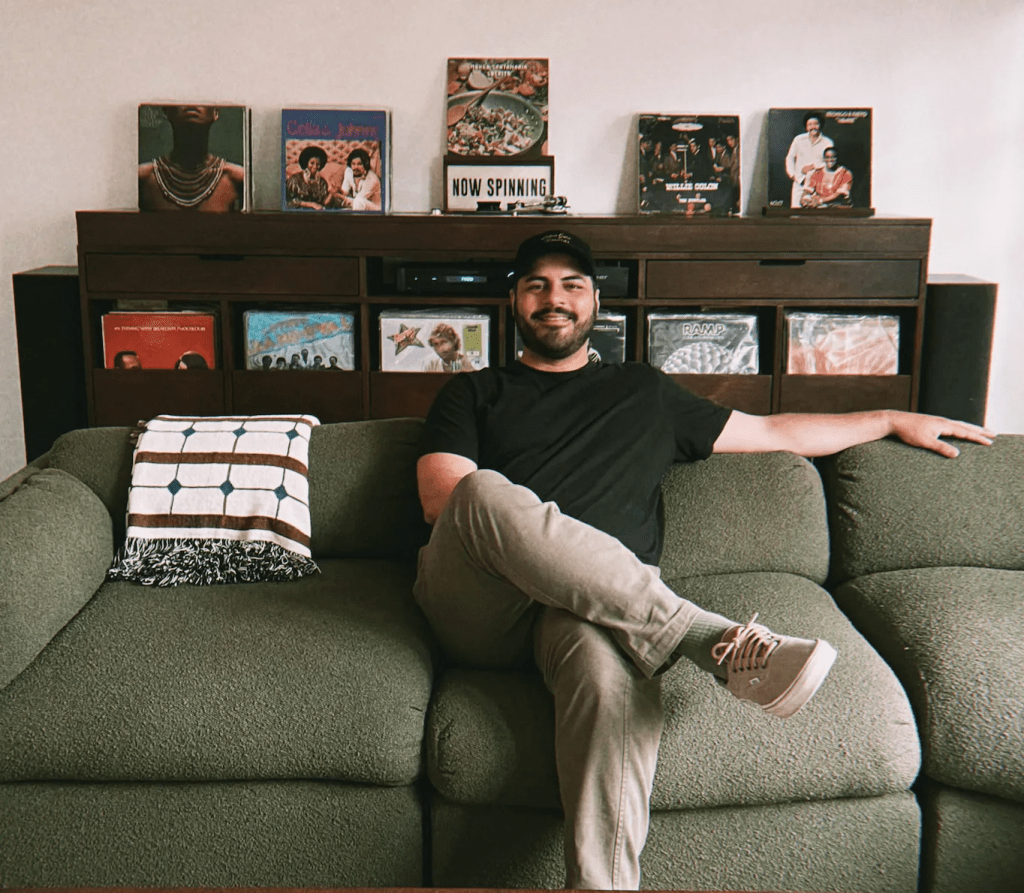
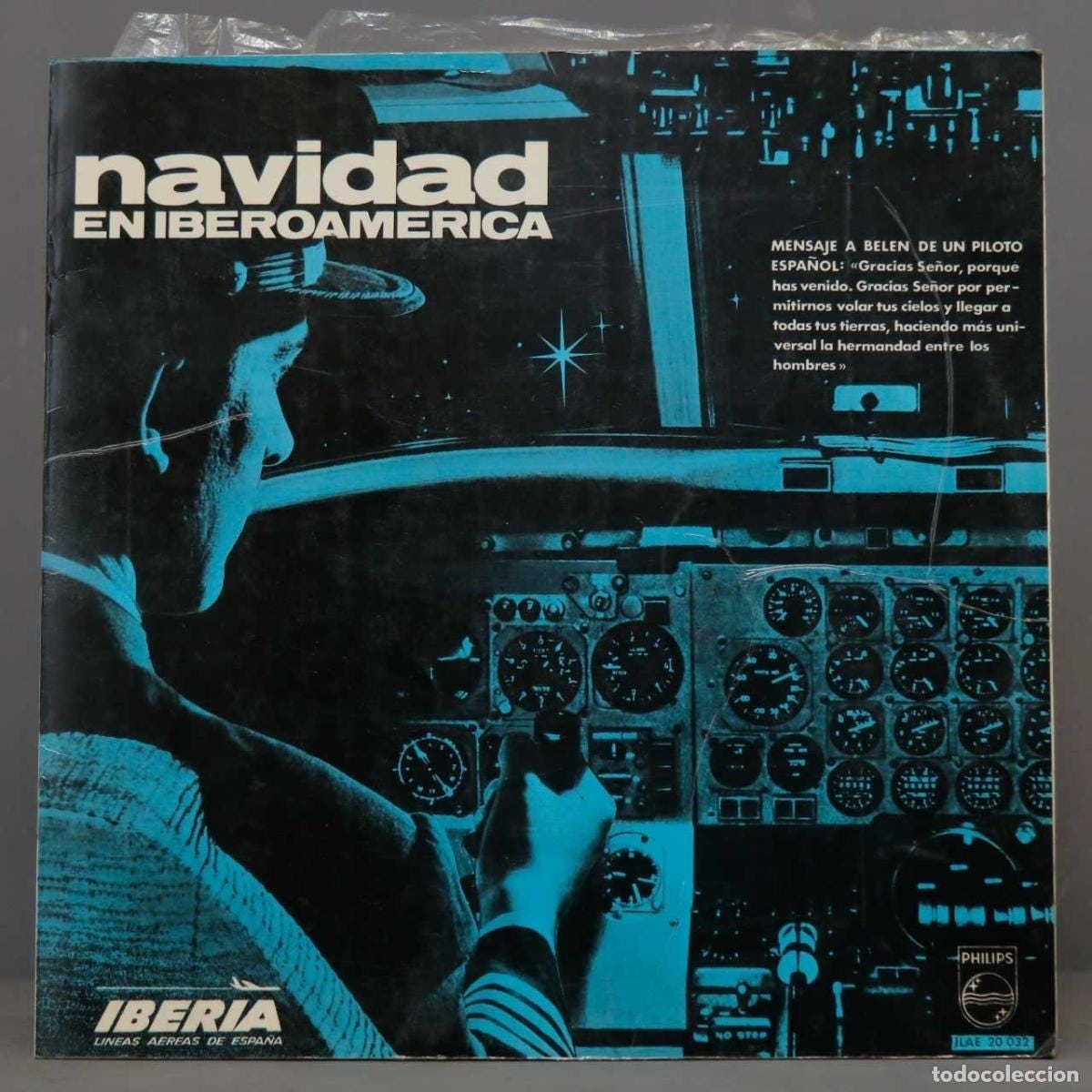

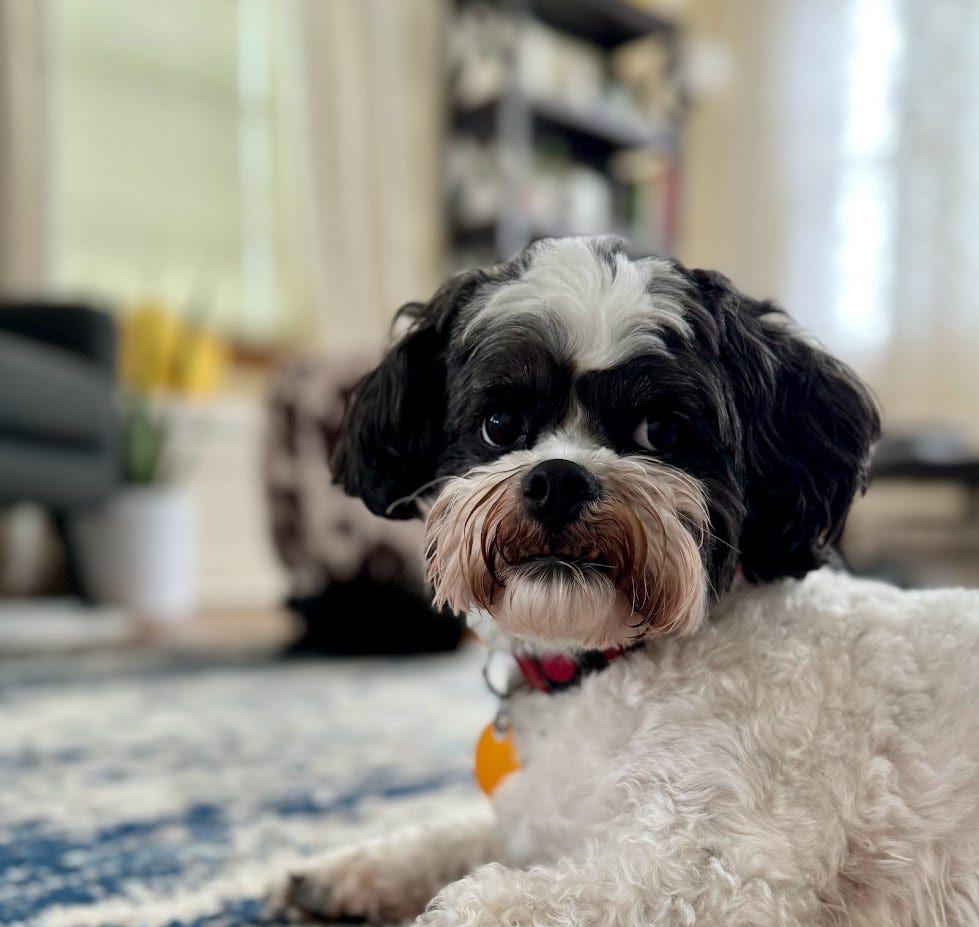
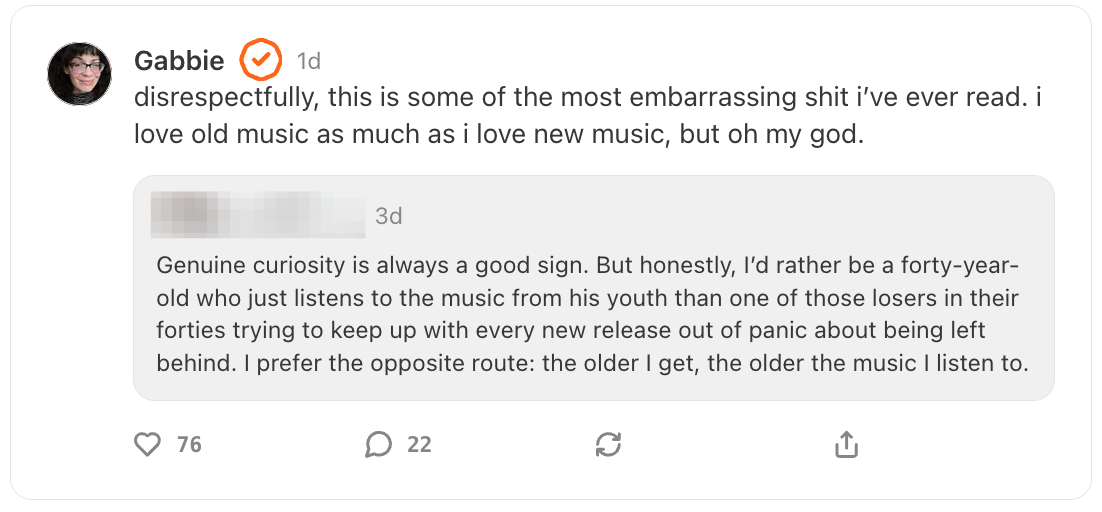

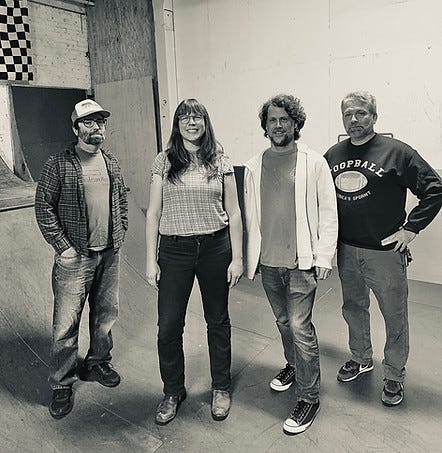


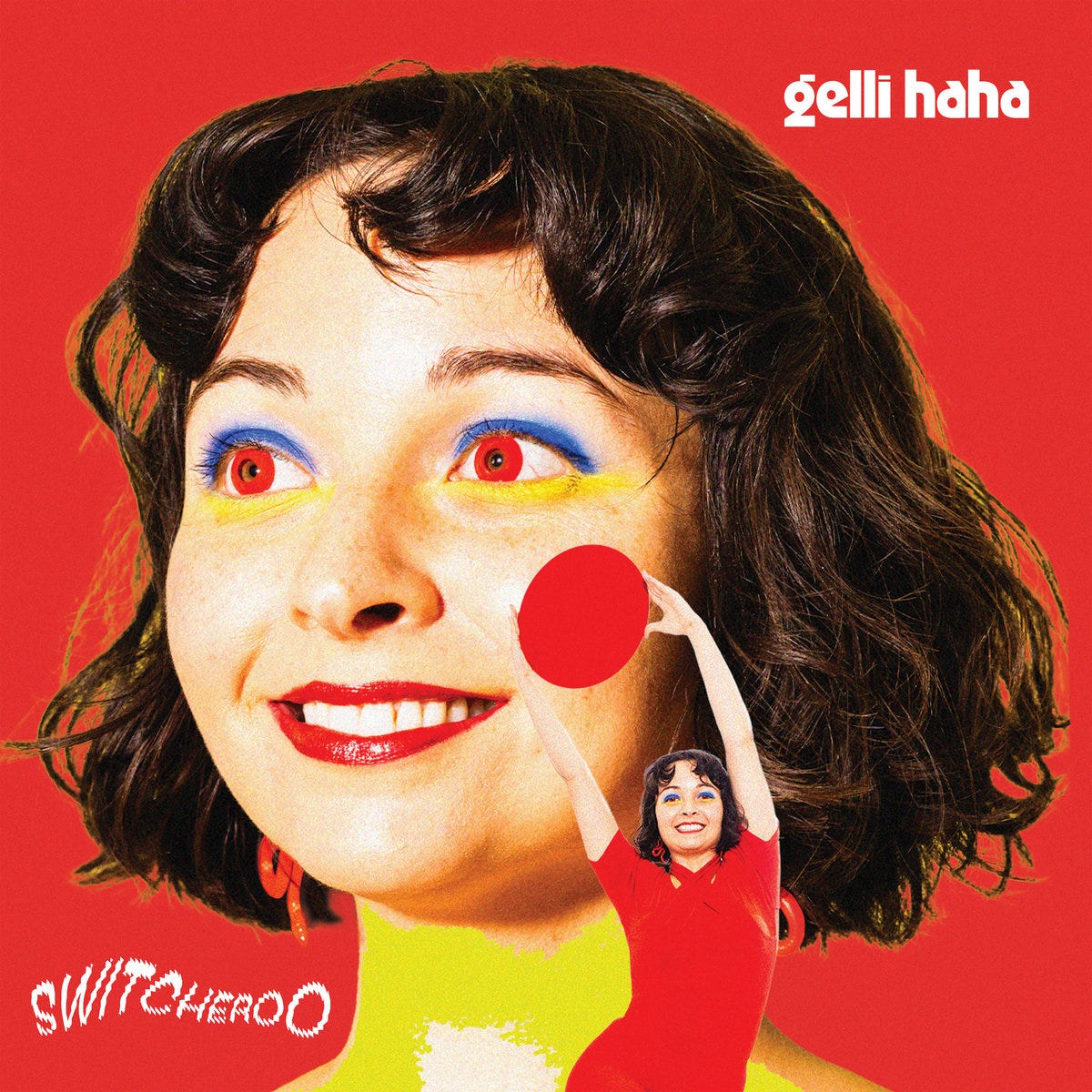


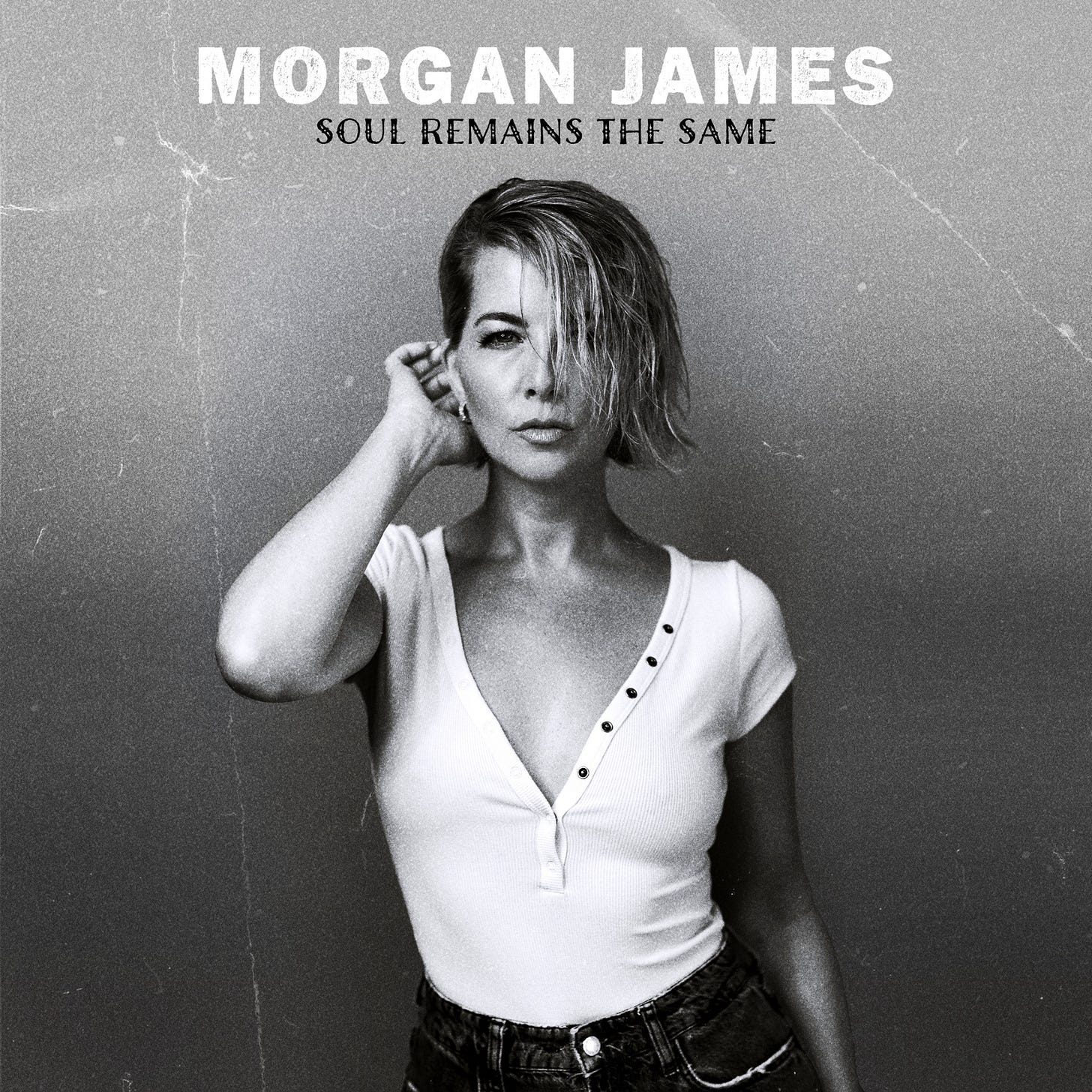
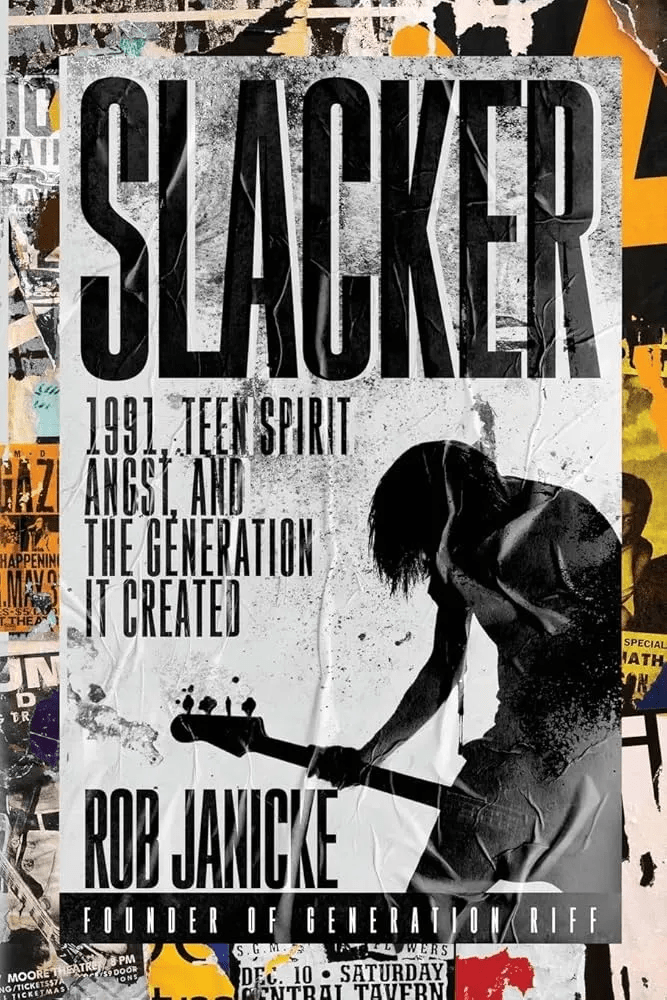


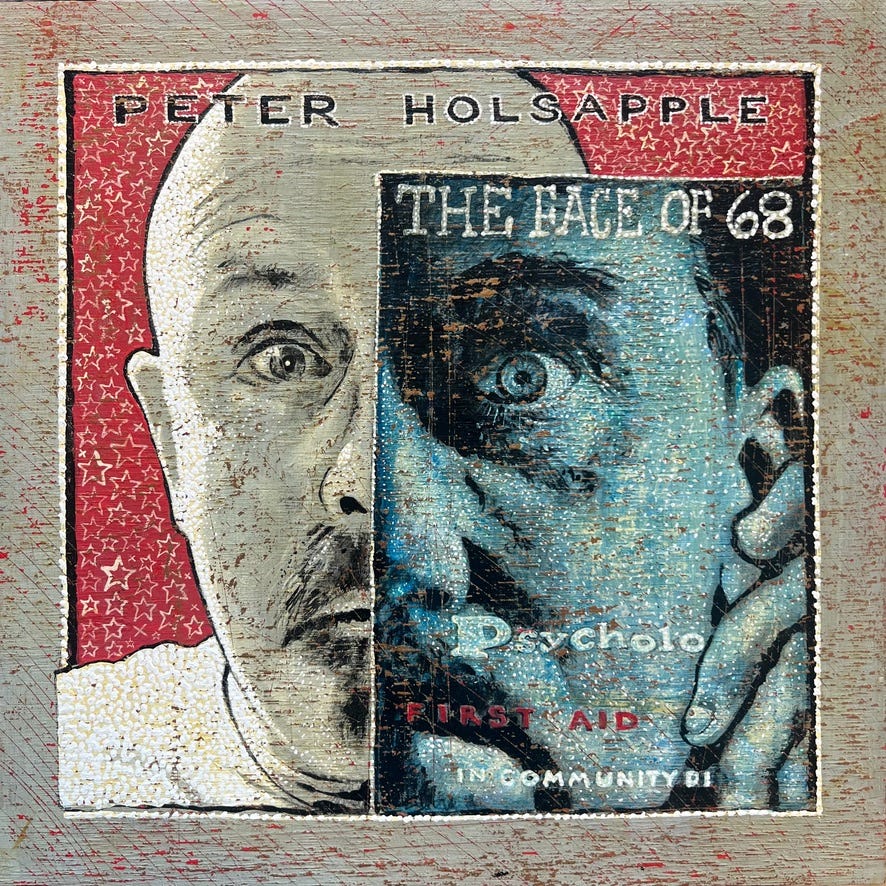


 Kevin Sent
Leave a comment